
Starting a business from scratch can feel overwhelming, especially if you have never owned a business before. You may have a good idea but still wonder where to begin, how much money you need, how to find customers, and whether your idea can actually become profitable.
The good news is that you do not need to have everything figured out on day one. A successful business is usually built through a series of small, practical steps.
Whether you want to start an online business, a local service, an e-commerce store, a freelance business, or a traditional company, the basic process is similar: identify a problem, understand your customers, create a useful solution, test your idea, and build a system for attracting and serving customers.
This beginner’s guide to starting a business from scratch explains the key steps you can take to turn an idea into a real business.
1. Start With a Business Idea
Every business starts with an idea, but a good business idea should solve a real problem.
Instead of choosing an idea simply because it sounds exciting, ask yourself:
- What problem does this business solve?
- Who experiences this problem?
- How are people solving it today?
- Would customers pay for a better solution?
- What makes my idea different?
For example, if local businesses struggle to maintain their websites, you could offer website maintenance services.
If busy professionals do not have time to prepare meals, a properly planned food delivery service could address that problem.
The stronger the problem and the clearer the solution, the easier it can be to build a business around the idea.
2. Research Your Market
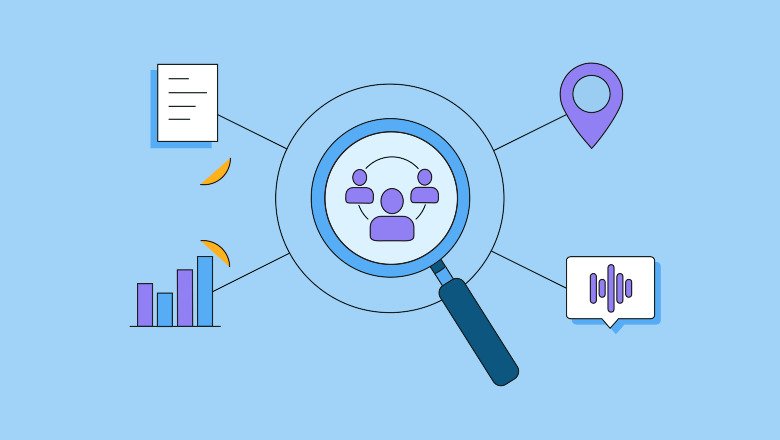
Before investing significant money, research the market.
Market research helps you understand potential customers and competitors.
Look for information about:
- Customer needs
- Market demand
- Competitor prices
- Existing products
- Customer reviews
- Industry trends
- Potential challenges
Online searches, customer reviews, social media discussions, industry websites, and competitor websites can provide useful information.
You can also talk directly with potential customers. Ask them about their problems and what they currently use to solve them.
Do not rely entirely on assumptions. Real customer feedback can help you discover whether your business idea is worth pursuing.
3. Define Your Target Customer
One of the biggest mistakes beginners make is trying to sell to everyone.
A specific target audience makes it easier to develop products and marketing messages.
For example, instead of saying:
“We sell fitness products.”
You could focus on:
“We provide affordable home workout equipment for beginners.”
The second description is much more specific.
Define your ideal customer based on factors such as their needs, location, budget, interests, and buying behavior.
Understanding your audience will help you decide what to sell, how to price it, and where to promote it.
4. Analyze Your Competitors
Competition is normal in business.
In fact, competitors can provide valuable information about the market.
Study businesses that offer similar products or services. Look at their websites, prices, customer reviews, marketing strategies, and product features.
Then identify opportunities to improve.
You could compete through:
- Better customer service
- Higher quality
- More convenient delivery
- Specialized products
- Better communication
- Simpler purchasing
- More useful information
- A stronger customer experience
The goal is not necessarily to be the cheapest business. Your goal should be to provide a clear reason for customers to choose you.
5. Create a Simple Business Plan
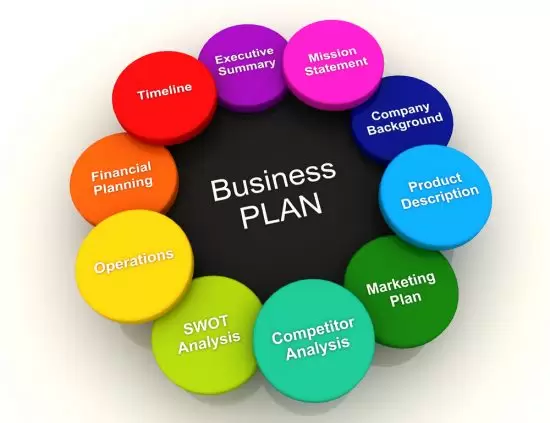
You do not need a complicated document to start a small business.
A simple business plan should explain how your business will work.
Write down:
Business Name
Choose a name that is easy to remember and relevant to your business.
Product or Service
Clearly explain what you will sell.
Target Customer
Identify who you want to serve.
Customer Problem
Explain the problem your business solves.
Pricing
Decide how customers will pay and how much you will charge.
Marketing
Determine how potential customers will discover your business.
Costs
Estimate your startup and monthly expenses.
Revenue Goal
Set realistic sales and revenue targets.
This basic plan gives you a roadmap and can be updated as you learn more.
6. Calculate Your Startup Costs
Before launching, understand how much money you actually need.
Potential startup expenses include:
- Business registration
- Website and domain
- Equipment
- Software
- Inventory
- Packaging
- Marketing
- Professional services
- Licenses and permits
- Transportation
Separate one-time costs from recurring expenses.
For example, purchasing equipment may be a one-time cost, while website hosting or software subscriptions may be recurring expenses.
Start with the essentials. Avoid spending heavily on things that do not directly help you create or sell your product or service.
7. Choose a Business Model
Your business model explains how your company will make money.
Common business models include:
- Selling physical products
- Selling digital products
- Subscription services
- Freelance services
- Consulting
- Advertising
- Affiliate marketing
- Online courses
- Memberships
- Commission-based services
Choose a model that fits your customers and resources.
For example, a consultant may charge per project or offer monthly packages, while an online store may earn revenue from individual product sales.
A clear business model makes it easier to plan your pricing and expenses.
8. Set the Right Price

Pricing is one of the most important decisions when starting a business.
Your price should account for your costs and the value you provide.
Consider:
- Product costs
- Labor
- Delivery
- Marketing
- Software
- Taxes and fees
- Overhead
- Desired profit
Research competitors, but do not automatically copy their prices.
A business with better quality, service, or specialization may be able to charge more.
Avoid setting extremely low prices simply to attract customers. If your prices do not cover your costs, growing sales could actually increase your losses.
9. Build a Minimum Viable Product
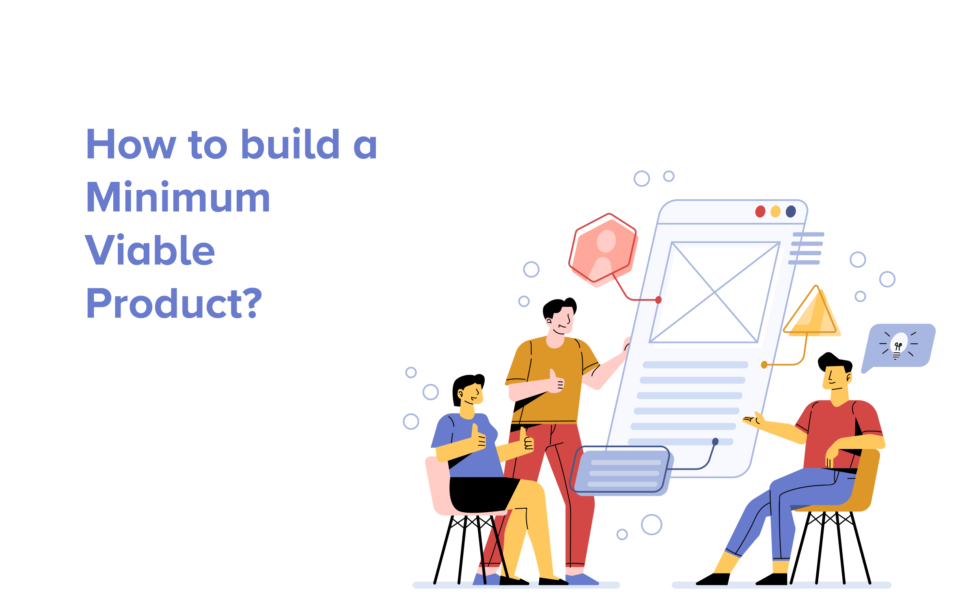
You do not need a perfect product before finding customers.
Create a basic version of your product or service that solves the core customer problem.
This approach allows you to test your idea before making a large investment.
For example, if you want to create an online course, start with a small course covering one specific problem rather than creating a huge program immediately.
If you want to launch an online store, begin with a limited number of products.
The goal is to learn what customers want and improve your offer based on real feedback.
10. Register Your Business
Once you are ready to operate, investigate the legal requirements that apply to your business and location.
Depending on your country and business structure, you may need to consider:
- Business registration
- Taxes
- Licenses
- Permits
- Business bank accounts
- Insurance
- Contracts
- Industry-specific regulations
Requirements vary considerably, so check official government resources or speak with a qualified professional when necessary.
Do not assume that rules for one type of business apply to another.
11. Create Your Online Presence
A professional online presence can help customers discover and trust your business.
Depending on your business, you may need:
- A website
- Business email
- Social media profiles
- Online business listings
- A digital portfolio
- Product pages
Your website should clearly explain what you offer and make it easy for visitors to take action.
Include clear contact information and make sure the site works well on mobile devices.
You do not need an expensive website at the beginning. A simple, fast, professional website is often enough to get started.
12. Find Your First Customers
Getting your first customers is one of the most important milestones.
Start with people and channels that are relevant to your target audience.
You can use:
- Personal and professional networks
- Social media
- Local communities
- Search engines
- Referrals
- Online marketplaces
- Partnerships
- Direct outreach
- Content marketing
Avoid sending generic promotional messages to large numbers of people.
Instead, understand the potential customer’s needs and explain how your business can help.
For service businesses, creating a small portfolio can make it easier to demonstrate your abilities.
13. Build a Marketing Strategy
Once your business is ready, you need a consistent way to attract customers.
Your marketing strategy could include:
SEO
Create useful content that answers questions your target customers search for online.
Social Media
Share educational, entertaining, or useful content related to your products and industry.
Email Marketing
Build an email list and send subscribers useful information, updates, or relevant offers.
Paid Advertising
Advertising can help you reach customers faster, but start with a manageable budget and measure results carefully.
Referrals
Satisfied customers can become an important source of new business.
Choose marketing channels based on where your target customers are rather than trying to use every platform.
14. Provide Excellent Customer Service
Getting a customer is only the beginning.
A successful business needs to keep customers satisfied.
Respond to questions promptly, communicate clearly, deliver what you promised, and handle problems professionally.
Ask customers for genuine feedback and use it to improve.
Good customer service can lead to repeat purchases, referrals, and positive reviews.
15. Track Your Business Finances
Keep records of your business income and expenses from the beginning.
Important numbers to monitor include:
- Total sales
- Expenses
- Profit
- Cash flow
- Marketing costs
- Customer acquisition costs
- Average order value
You do not need complicated accounting software when you are starting. The important thing is to maintain accurate records and understand your numbers.
If your business becomes more complex, consider working with a qualified accountant or financial professional.
16. Use Technology to Work Smarter
Technology can help small businesses save time and improve productivity.
Depending on your business, you may use tools for:
- Accounting
- Scheduling
- Customer management
- Email marketing
- Project management
- Website management
- Analytics
- Automation
- AI-assisted tasks
Use technology to solve real problems rather than adopting every new tool simply because it is popular.
When using AI or automation, review important outputs and protect confidential business and customer information.
17. Learn and Improve
Your first version of the business will probably not be perfect.
Pay attention to what customers say and how they behave.
Ask yourself:
- Which products sell best?
- Which marketing channels produce customers?
- Where do customers have problems?
- Which expenses can be reduced?
- What should be improved?
Use this information to make better decisions.
Successful businesses often develop through continuous testing and improvement rather than one perfect launch.
Common Mistakes to Avoid
Starting Without Research
A great idea without customer demand may not become a successful business.
Spending Too Much
Avoid unnecessary expenses before validating your idea.
Ignoring Cash Flow
A business can have sales and still struggle if cash is not managed properly.
Trying to Serve Everyone
A focused target audience can make marketing and product development easier.
Neglecting Customer Service
Poor service can damage your reputation and reduce repeat business.
Expecting Instant Results
Business growth usually takes time. Stay consistent and learn from your results.
A Simple 30-Day Business Launch Plan
If you want to start quickly, use a simple four-week plan.
Week 1: Research
Choose your idea, define your target customer, and study competitors.
Week 2: Plan
Create your basic business plan, calculate costs, set prices, and define your offer.
Week 3: Build
Create your product or service, website, portfolio, and basic marketing materials.
Week 4: Launch
Start contacting potential customers, publish content, promote your offer, and collect feedback.
After the first month, review your results and decide what needs to change.
Final Thoughts
Starting a business from scratch may seem difficult, but you can make the process more manageable by breaking it into smaller steps.
Start with a real problem, research your customers, create a simple solution, and test your idea before making a major investment.
Focus on providing value rather than trying to look like a large company from day one.
As your business grows, improve your products, marketing, customer service, financial systems, and operations.
The most important step is getting started. You will learn many things through experience that cannot be fully learned from planning alone.
With patience, continuous learning, responsible financial decisions, and a clear focus on customers, a small idea can develop into a sustainable business.
Frequently Asked Questions
Can I start a business from scratch with little money?
Yes. Service-based businesses such as freelancing, consulting, tutoring, writing, design, and digital marketing can often be started with relatively low upfront costs.
What is the first step when starting a business?
The first step is usually identifying a problem or opportunity and determining whether there are customers willing to pay for your solution.
Do I need a business plan?
A simple business plan is useful because it helps you understand your customers, costs, pricing, marketing, and revenue model. It does not need to be complicated.
How do I find customers for a new business?
You can find customers through networking, referrals, social media, search engines, online marketplaces, partnerships, content marketing, and direct outreach.
How much does it cost to start a business?
Startup costs vary significantly by business type. An online service business may require relatively little money, while a physical store or inventory-based business can require considerably more.
How long does it take to make a business profitable?
There is no guaranteed timeline. Profitability depends on demand, pricing, expenses, competition, marketing, and business management.
Should I quit my job to start a business?
Not necessarily. Some people start their business part-time and transition gradually as revenue becomes more predictable. Your decision should depend on your financial situation, risk tolerance, and business progress.