

Becoming a successful entrepreneur in 2026 is not simply about having a great business idea. It is about identifying real problems, understanding customers, learning valuable skills, adapting to technology, and consistently taking action.
Today, entrepreneurs can use digital platforms, artificial intelligence, e-commerce, social media, and remote work tools to start and grow businesses with fewer resources than were traditionally required.
However, easy access to technology also means more competition. Customers have many choices, and businesses need to provide genuine value to stand out.
If you are thinking about becoming an entrepreneur, the best approach is to start with a clear purpose, develop the right skills, understand your market, and build your business step by step.
This guide explains how to become a successful entrepreneur in 2026, including the skills, habits, strategies, and practical steps that can help you build a stronger business foundation.
What Is an Entrepreneur?
An entrepreneur is someone who identifies an opportunity or problem and creates a product, service, or business to address it.
Entrepreneurs can operate businesses of many different sizes and types. Some build technology startups, while others run local service companies, online stores, consulting businesses, agencies, or freelance operations.
Being an entrepreneur does not necessarily mean becoming the CEO of a large company.
A person running a small profitable business can be just as entrepreneurial as someone building a rapidly growing startup.
The common factor is the willingness to take responsibility, solve problems, make decisions, and create value for customers.
1. Start With a Real Problem
One of the most important steps toward becoming a successful entrepreneur is learning to identify real problems.
Instead of asking:
“What business should I start?”
Ask:
“What problem can I solve?”
Businesses succeed when customers see enough value in a solution to pay for it.
Look at problems in your own life, workplace, community, or industry. Pay attention to complaints, inefficient processes, expensive services, and tasks that people find difficult.
For example, if local businesses struggle to manage their social media accounts, there may be an opportunity to provide social media services.
If small companies struggle with repetitive administrative work, there may be an opportunity to provide automation services.
The stronger the problem and the clearer the solution, the stronger your business foundation can become.
2. Develop Valuable Skills
Successful entrepreneurship requires more than motivation.
You need skills that help you create, market, sell, and manage your business.
Some valuable skills for entrepreneurs in 2026 include:
- Communication
- Sales
- Digital marketing
- Financial management
- Customer service
- Problem-solving
- Leadership
- Negotiation
- Technology
- Time management
You do not need to master everything immediately.
Choose one or two important skills and develop them consistently.
For example, if you want to start a digital marketing business, learn SEO, content marketing, social media, analytics, and client communication.
Practical experience is often one of the best ways to improve.
3. Understand Your Target Market
A business idea is not enough. You need to know who will buy your product or service.
Define your target customer as specifically as possible.
Think about:
- Age range
- Location
- Income or budget
- Interests
- Problems
- Buying habits
- Preferred platforms
- Existing alternatives
You can learn about customers by conducting interviews, reading reviews, studying competitors, observing online communities, and analyzing market information.
Do not assume that you know what customers want. Whenever possible, speak directly with potential customers.
4. Research Your Competition
Competition can provide useful information.
Study businesses that already offer similar products or services.
Look at their:
- Pricing
- Products
- Services
- Marketing
- Customer reviews
- Website
- Strengths
- Weaknesses
Your goal is not to copy them.
Instead, identify gaps in the market.
Perhaps competitors have poor customer service. Maybe their websites are difficult to use, their products are too expensive, or they do not serve a particular customer group.
These gaps can help you create a stronger value proposition.
5. Create a Simple Business Plan
You do not need a complicated business plan when starting a small business.
A simple plan can answer a few important questions:
What will you sell?
Clearly describe your product or service.
Who will buy it?
Define your target customer.
What problem will you solve?
Explain the value you provide.
How will you make money?
Decide how customers will pay and how your pricing will work.
How will people find you?
Identify your main marketing channels.
What will it cost to operate?
Estimate startup and recurring expenses.
Writing these details down can help you identify weaknesses before investing too much money.
6. Start Small
Many new entrepreneurs make the mistake of trying to build everything at once.
You do not need a huge office, large team, expensive branding, or hundreds of products on day one.
Start with the simplest version of your business that can provide value to customers.
For example, if you want to build an online store, start with a focused product range.
If you want to start an agency, find your first few clients before hiring a large team.
Starting small allows you to test your idea, collect feedback, and make improvements with less risk.
7. Learn How to Sell
Sales is one of the most important skills an entrepreneur can develop.
Even if you have an excellent product, your business cannot grow if customers do not understand its value.
Good sales is not about pressuring people.
It is about understanding a customer’s problem and explaining how your product or service can help.
Learn how to:
- Ask useful questions
- Listen carefully
- Explain benefits
- Handle objections
- Present your offer clearly
- Follow up professionally
The better you understand your customers, the easier it becomes to communicate the value of your business.
8. Build a Strong Online Presence
In 2026, many customers research businesses online before making purchasing decisions.
Create a professional digital presence that clearly explains who you are, what you offer, and how customers can contact you.
Depending on your business, this could include:
- A professional website
- Business email
- Social media profiles
- Online business listings
- Portfolio
- Customer reviews
Your website does not need to be complicated.
Focus on clear information, fast loading, mobile compatibility, easy navigation, and strong calls to action.
9. Use Technology and AI Wisely
Technology can help entrepreneurs operate more efficiently.
Artificial intelligence and automation can assist with tasks such as research, content organization, customer support, scheduling, data analysis, and repetitive workflows.
However, technology should support your business rather than replace good judgment.
Always review important AI-generated information and be careful when handling confidential or sensitive customer data.
The entrepreneurs who benefit most from technology are often those who use it to solve specific problems and improve productivity.
10. Manage Your Money Carefully
Many businesses fail not because they lack customers but because they do not manage their finances effectively.
Track your income and expenses from the beginning.
Know:
- How much money comes in
- How much goes out
- Your profit margin
- Your recurring expenses
- Your customer acquisition costs
- Your available cash
Avoid unnecessary expenses during the early stages.
A simple financial system can help you understand whether your business is actually becoming more profitable.
For important tax, accounting, or financial decisions, consider getting advice from a qualified professional in your area.
11. Focus on Customer Experience
A successful business is built around customers.
Make it easy for customers to understand your offer, place an order, contact you, receive support, and solve problems.
Ask for feedback after purchases or completed services.
Pay attention to recurring complaints because they can reveal areas where your business needs improvement.
A positive customer experience can lead to repeat purchases, referrals, and positive reviews.
12. Build a Personal Brand
For many entrepreneurs, personal branding can help establish credibility.
Share useful knowledge related to your industry through articles, videos, social media posts, interviews, or other content.
You do not need to become an influencer.
The goal is to demonstrate expertise and become recognizable within your niche.
For example, a young entrepreneur running a marketing agency could regularly share practical SEO and marketing advice.
Over time, useful content can help attract potential customers and professional opportunities.
13. Network With Other People
Entrepreneurship can become much easier when you build relationships with other people.
Connect with:
- Business owners
- Entrepreneurs
- Potential customers
- Industry professionals
- Mentors
- Suppliers
- Service providers
Networking can lead to partnerships, referrals, advice, and new opportunities.
Do not approach every relationship as a sales opportunity.
Focus on building genuine professional relationships and providing value to others.
14. Learn From Failure
Not every idea will work.
Some products will fail. Some marketing campaigns will produce poor results. Some customers will leave.
Failure does not automatically mean you should quit entrepreneurship.
Instead, examine what happened.
Ask:
- What went wrong?
- What did customers say?
- Was there enough demand?
- Was the pricing correct?
- Was the marketing effective?
- What could I change?
Successful entrepreneurs often improve through repeated testing and learning.
The important thing is to avoid repeating the same mistake without understanding why it happened.
15. Stay Consistent
Entrepreneurship rarely produces overnight success.
Building a customer base, developing a reputation, improving your product, and creating reliable systems takes time.
Set realistic goals and focus on consistent progress.
Instead of trying to accomplish everything in one week, identify the most important tasks and work on them regularly.
Small improvements can create significant results when maintained over a long period.
A Simple Entrepreneurial Growth Plan
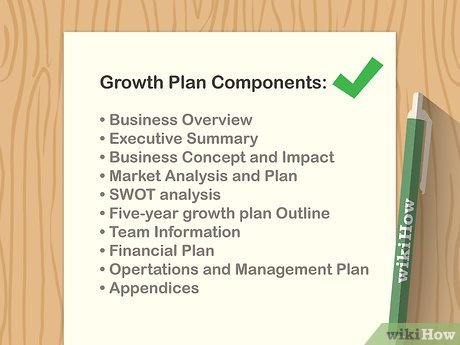
If you are just starting, use a simple three-stage approach.
Stage 1: Learn
Develop one valuable skill and research your target market.
Stage 2: Test
Create a basic product or service and try to get your first customers.
Stage 3: Improve
Use customer feedback and business data to improve your offer, marketing, and operations.
Once your business becomes more stable, consider expanding your products, team, marketing, or customer base.
Common Mistakes New Entrepreneurs Should Avoid
Avoid these common mistakes:
Spending Too Much Too Early
Do not invest heavily before validating your business idea.
Ignoring Customers
Your assumptions may be wrong. Customer feedback is valuable.
Trying to Do Everything Yourself
Learn to delegate when your business grows.
Copying Competitors
Study competitors, but build your own value proposition.
Chasing Every Trend
Not every trend is suitable for your business. Focus on customer needs.
Expecting Instant Success
Building a sustainable business usually requires patience and consistent effort.
Final Thoughts
Learning how to become a successful entrepreneur in 2026 starts with understanding that entrepreneurship is a process, not a single event.
You need a real problem to solve, valuable skills, a clear target market, good financial management, effective marketing, and a willingness to learn.
Technology and AI can provide powerful tools, but they cannot replace customer understanding, creativity, judgment, and consistent execution.
Start small. Talk to customers. Test your ideas. Track your results. Learn from mistakes and keep improving.
You do not need to know everything before starting.
What matters is taking a practical first step and continuing to learn as you build.
Frequently Asked Questions
How can I become a successful entrepreneur in 2026?
Start by identifying a real customer problem, developing valuable skills, researching your market, creating a simple business plan, testing your idea, and consistently improving your product or service.
What skills do entrepreneurs need?
Important entrepreneurial skills include communication, sales, marketing, financial management, leadership, problem-solving, technology, negotiation, and time management.
Can I become an entrepreneur without a lot of money?
Yes. Many service-based businesses can be started with relatively low upfront costs. Freelancing, consulting, tutoring, digital marketing, writing, and other skill-based businesses can be possible options.
Is AI important for entrepreneurs in 2026?
AI can help entrepreneurs automate repetitive tasks, improve productivity, analyze information, and support business workflows. It should be used responsibly with appropriate human oversight.
How do I find a good business idea?
Look for problems that people regularly experience and are willing to pay to solve. Research your market, talk to potential customers, and study existing alternatives before investing heavily.
How long does it take to become a successful entrepreneur?
There is no fixed timeline. Results depend on the business model, market, skills, resources, competition, and execution. Building a sustainable business often requires consistent effort over an extended period.
What is the most important quality of a successful entrepreneur?
Adaptability is one of the most valuable qualities. Markets, technology, and customer expectations change, so entrepreneurs need to learn, adjust, and continue improving.




One Comment