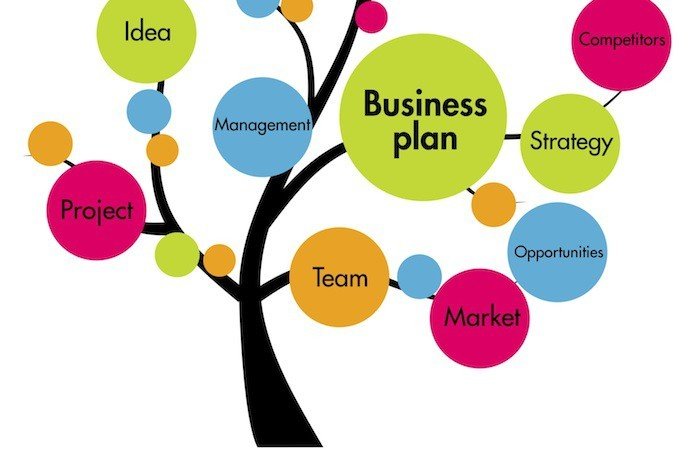

A business plan is one of the most useful tools for anyone who wants to start or grow a business. It helps you organize your idea, understand your customers, estimate your costs, and create a clear path toward your business goals.
Many new entrepreneurs believe that a business plan has to be a long and complicated document. In reality, a good business plan can be simple, practical, and easy to update.
Whether you are starting a small home-based business, an online store, a service company, or a growing startup, creating a business plan can help you make better decisions before investing significant time and money.
This guide explains how to create a business plan step by step, including what to include, how to research your market, how to plan your finances, and how to turn your idea into a practical business strategy.
What Is a Business Plan?
A business plan is a written document that explains how your business will operate and make money.
It normally describes:
- What your business does
- Who your customers are
- What products or services you offer
- How you will reach customers
- Who your competitors are
- How much money you need
- How you expect to generate revenue
- What your business goals are
A business plan can be used as an internal roadmap or, depending on the situation, shared with potential investors, lenders, partners, or other stakeholders.
You do not have to predict everything perfectly. The purpose is to think carefully about your business and identify potential opportunities and challenges.
Step 1: Write Your Executive Summary
The executive summary is usually placed at the beginning of the business plan, although many entrepreneurs write it after completing the other sections.
It provides a short overview of your entire business.
Include:
- Business name
- Business concept
- Products or services
- Target market
- Competitive advantage
- Business goals
- Basic financial expectations
Keep it clear and concise.
For example:
“ABC Digital Solutions provides affordable website and digital marketing services to small businesses. The company focuses on helping local businesses improve their online presence and generate more customer inquiries.”
Someone reading the executive summary should quickly understand what your business does and why it has potential.
Step 2: Describe Your Business
The next section should explain your business in more detail.
Describe:
- What your business does
- What industry you operate in
- Where the business operates
- Your business structure
- The problem you solve
- Your main objectives
Explain what makes your business useful.
For example, if you are starting a cleaning company, explain whether you serve homes, offices, commercial properties, or a specific niche.
A clear business description gives the reader a better understanding of your business model.
Step 3: Define Your Products or Services
Clearly explain what you plan to sell.
For each product or service, describe:
- What it is
- Who needs it
- How it works
- How much it costs
- What makes it valuable
- How it is different from alternatives
If you sell multiple products, organize them into logical categories.
Do not focus only on features. Explain the benefits customers receive.
For example, instead of simply saying:
“We provide website design.”
Explain:
“We create fast, mobile-friendly business websites that help small companies present their services professionally and generate customer inquiries.”
This makes the value of the service clearer.
Step 4: Identify Your Target Market
A business needs customers, so understanding your target market is essential.
Define who is most likely to buy your product or service.
Consider:
- Age
- Location
- Income or budget
- Occupation
- Interests
- Needs
- Buying habits
- Business size, if targeting companies
Avoid defining your audience too broadly.
Instead of saying:
“Our customers are everyone who uses the internet.”
You could define your audience as:
“Our primary customers are small local businesses that need affordable website and digital marketing services.”
A specific target market makes it easier to create products and marketing campaigns that meet customer needs.
Step 5: Conduct Market Research
Market research helps you understand whether there is demand for your business.
Research:
- Market size
- Customer needs
- Industry trends
- Competitors
- Pricing
- Customer preferences
- Potential barriers
You can gather information through online research, surveys, interviews, customer reviews, industry publications, and competitor analysis.
Talk to potential customers whenever possible.
Ask questions such as:
- What problem are you trying to solve?
- What solution do you currently use?
- What do you dislike about current options?
- What would make you switch?
- What factors influence your purchasing decision?
Real customer feedback can be more useful than assumptions.
Step 6: Analyze Your Competition
Every business faces competition, even if competitors offer slightly different products or services.
Identify your main competitors and compare them.
Look at:
- Pricing
- Product quality
- Customer service
- Marketing
- Website
- Reviews
- Features
- Strengths
- Weaknesses
Then explain how your business will compete.
Your advantage might be:
- Better service
- Lower operating costs
- Specialized expertise
- Faster delivery
- Higher quality
- Better customer experience
- A specific niche
You do not necessarily need to be the cheapest business. You need to give customers a compelling reason to choose you.
Step 7: Develop Your Marketing Strategy
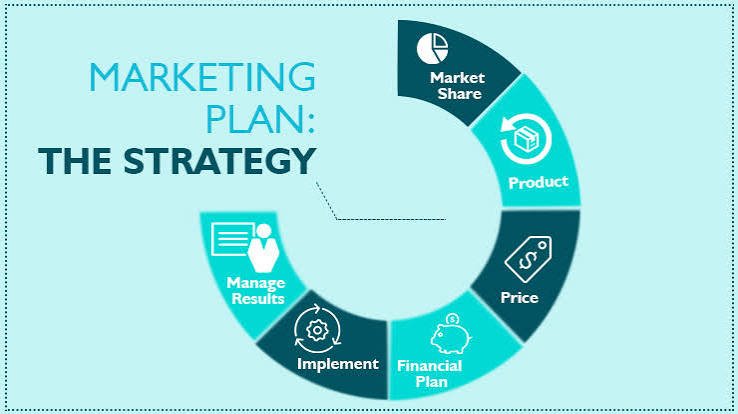
Your marketing strategy explains how customers will discover your business.
Potential marketing channels include:
Search Engine Optimization
Create useful website content that helps your target customers find your business through search engines.
Social Media
Share educational, entertaining, or promotional content on platforms where your customers are active.
Email Marketing
Build an email list and send subscribers useful information, updates, and relevant offers.
Paid Advertising
Online advertising can help you reach potential customers quickly, but your campaigns should be tested and measured carefully.
Referrals
Satisfied customers can recommend your business to friends, colleagues, or other companies.
Choose marketing channels based on your audience rather than trying to use every available platform.
Step 8: Create Your Sales Strategy
Marketing gets attention, but your sales process turns interest into revenue.
Explain how customers will purchase your products or services.
For example:
- Customer discovers your website.
- Customer reviews your service.
- Customer submits an inquiry.
- You discuss their needs.
- You provide a proposal or price.
- Customer agrees.
- You deliver the product or service.
- You follow up for feedback or repeat business.
Make your sales process as simple as possible.
Remove unnecessary steps that could cause potential customers to leave before completing a purchase.
Step 9: Decide Your Pricing Strategy
Pricing should be based on your costs, customer demand, competitors, and the value you provide.
Calculate the cost of delivering your product or service.
Then consider your desired profit margin and market expectations.
You can use different pricing models, including:
- Fixed pricing
- Hourly pricing
- Package pricing
- Subscription pricing
- Tiered pricing
- Commission-based pricing
Avoid copying competitors blindly.
A business offering greater value or specialized expertise may be able to charge more.
Review your pricing regularly as your costs and market conditions change.
Step 10: Plan Your Business Operations
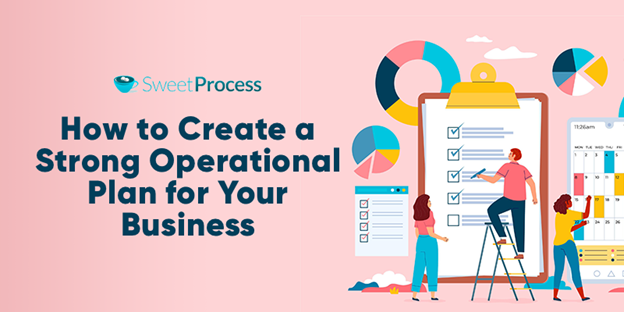
The operations section explains how your business will actually function.
Include details such as:
- Location
- Equipment
- Suppliers
- Inventory
- Technology
- Employees
- Delivery
- Customer support
- Daily processes
For an online business, operations might include website management, payment processing, order fulfillment, and customer service.
For a physical business, operations may involve suppliers, storage, transportation, staff, and premises.
The goal is to show how you will deliver your product or service consistently.
Step 11: Identify Your Team
If you are starting alone, explain your role in the business.
If you have partners or employees, describe their responsibilities.
Include relevant skills and experience.
For example:
- Founder — business management and sales
- Marketing manager — marketing and content
- Developer — website and technical operations
- Customer support — customer communication
You do not need a large team to start.
The important thing is to make responsibilities clear and identify which skills are currently missing.
Step 12: Create a Financial Plan

The financial section is one of the most important parts of a business plan.
Estimate:
- Startup costs
- Monthly expenses
- Expected sales
- Revenue
- Gross profit
- Operating expenses
- Cash flow
Startup expenses might include equipment, website development, inventory, registration, marketing, and professional services.
Monthly expenses might include rent, software, salaries, utilities, advertising, transportation, and supplies.
Your financial estimates should be realistic.
Do not create projections simply because they look impressive. Base them on reasonable assumptions about pricing, customer numbers, costs, and sales.
Step 13: Calculate Your Break-Even Point
The break-even point is the point at which your revenue covers your costs.
Understanding this number can help you set realistic sales targets.
For example, if your monthly fixed costs are $2,000 and your average contribution per sale is $100, you would need approximately 20 sales to cover those fixed costs.
The exact calculation depends on your business model and cost structure.
Knowing your break-even point helps you understand how much you need to sell before generating an operating profit.
Step 14: Set Business Goals

Your business plan should include clear goals.
Avoid vague goals such as:
“I want my business to become successful.”
Instead, create measurable objectives.
For example:
- Acquire 50 customers within six months.
- Reach a specific monthly revenue target.
- Launch three new products.
- Increase repeat purchases.
- Publish a certain amount of useful content each month.
Break large goals into smaller milestones.
Review your goals regularly and update them as your business develops.
Step 15: Identify Risks and Challenges
Every business has risks.
Your business plan should identify potential problems and explain how you may respond to them.
Possible risks include:
- Strong competition
- Rising costs
- Low customer demand
- Supply problems
- Technology failures
- Cash-flow difficulties
- Regulatory changes
- Dependence on one major customer
You cannot eliminate every risk, but planning for potential problems can improve your ability to respond.
For example, having multiple suppliers can reduce dependence on a single supplier.
Maintaining cash reserves can provide additional protection during slower periods.
Step 16: Review and Update Your Business Plan
A business plan should not be treated as a document that you write once and never read again.
Markets change. Customers change. Competitors introduce new products. Costs increase. New opportunities appear.
Review your plan regularly.
Ask:
- Are we reaching the right customers?
- Are sales meeting expectations?
- Are expenses under control?
- Is our pricing still appropriate?
- Which marketing channels are working?
- What should we change?
Update your plan based on real-world results.
Simple Business Plan Template
If you are a beginner, you can structure your plan like this:
1. Executive Summary
Brief overview of the business.
2. Business Description
What the business does and what problem it solves.
3. Products or Services
What you sell and the value you provide.
4. Target Market
Who your customers are.
5. Market Research
Industry, customer, and competitor information.
6. Marketing Strategy
How you will attract potential customers.
7. Sales Strategy
How prospects become paying customers.
8. Operations Plan
How the business will operate.
9. Management Team
Who will manage different responsibilities.
10. Financial Plan
Costs, revenue, cash flow, and profitability estimates.
11. Goals and Milestones
What you want to achieve and when.
12. Risks
Potential challenges and possible solutions.
Common Business Plan Mistakes
Making the Plan Too Complicated
A business plan should help you make decisions, not create unnecessary paperwork.
Using Unrealistic Financial Projections
Be conservative and explain the assumptions behind your numbers.
Ignoring Competition
Even if you believe your idea is unique, research existing alternatives.
Focusing Only on the Product
Customers care about solutions and benefits, not just features.
Never Updating the Plan
Your business plan should evolve as you learn more.
Final Thoughts
Learning how to create a business plan step by step can make starting a business much easier.
A good plan helps you understand your customers, competition, marketing strategy, operations, finances, and long-term goals.
You do not need to predict the future perfectly. Instead, use your business plan as a practical roadmap that can change when new information becomes available.
Start with a simple plan, research your assumptions, test your business idea, and update your strategy based on real customer feedback.
The most valuable business plan is not necessarily the longest one. It is the one that helps you make better decisions and take consistent action.
Frequently Asked Questions
What should a business plan include?
A basic business plan should include an executive summary, business description, products or services, target market, market research, marketing strategy, operations, management, financial projections, goals, and potential risks.
How long should a business plan be?
There is no fixed length. A simple plan for a small business may be relatively short, while a plan prepared for investors or lenders may require more detailed research and financial information.
Can I create a business plan myself?
Yes. Many entrepreneurs create their own initial business plans. You can also seek advice from accountants, business advisors, or other qualified professionals when specialized guidance is needed.
How often should I update my business plan?
Review it regularly, especially when your business experiences significant changes in customers, products, pricing, costs, competition, or strategy.
Do I need a business plan to start a small business?
Not every small business requires a formal business plan, but creating one can help you understand your idea, costs, customers, and growth strategy before you invest heavily.
What is the most important part of a business plan?
There is no single most important section. Your target market, value proposition, marketing strategy, business model, and financial plan should work together to demonstrate that the business can create value and operate sustainably.



Hi, this is a comment.
To get started with moderating, editing, and deleting comments, please visit the Comments screen in the dashboard.
Commenter avatars come from Gravatar.