
Starting a small business from home can be a practical way to turn your skills, knowledge, or ideas into an income-generating business. You do not always need a large office, expensive equipment, or a big team to get started.
In 2026, entrepreneurs have more opportunities than ever to build businesses from home. Freelancing, online stores, digital marketing, tutoring, content creation, consulting, and AI-powered services are just some of the options available.
However, starting a home-based business successfully requires more than simply choosing an idea. You need to understand your target customers, calculate your costs, create a simple business plan, and develop a reliable way to attract customers.
This guide explains how to start a small business from home, from choosing an idea to finding your first customers and building a sustainable business.
Why Start a Business From Home?
A home-based business can offer several advantages, especially for new entrepreneurs.
Lower Startup Costs
Working from home can reduce expenses such as office rent, furniture, utilities, and commuting. Depending on the type of business, you may be able to start with a computer, internet connection, basic equipment, and your existing skills.
Flexible Working Hours
A home business can give you greater control over your schedule. This can be useful for people who want to work part-time initially while keeping another job or managing other responsibilities.
Easy to Start Small
You can test your business idea without making a large investment. If customers respond positively, you can gradually increase your services, products, marketing, or team.
Access to Online Customers
The internet allows many home-based businesses to serve customers outside their local area. A professional website and social media presence can help you reach potential customers in different cities or countries.
Step 1: Choose the Right Home Business Idea
The first step is choosing a business idea that matches your skills, budget, and customer demand.
Do not choose an idea only because it looks profitable on social media. Research whether people actually need the product or service and whether they are willing to pay for it.
Some popular home-based business ideas include:
- Freelance writing
- Graphic design
- Web development
- Digital marketing
- Online tutoring
- Virtual assistance
- Social media management
- Content creation
- E-commerce
- Consulting
- Online courses
- AI automation services
- Home-based food businesses
- Handmade products
A service-based business is often easier to start with limited capital because you can sell your skills instead of purchasing large amounts of inventory.
Step 2: Identify Your Target Customer
Once you have a business idea, determine exactly who you want to serve.
For example, instead of saying:
“I provide digital marketing services.”
You could focus on:
“I help local restaurants improve their online visibility and attract more customers.”
The second statement identifies a specific audience and problem.
Ask yourself:
- Who needs my product or service?
- What problem do they have?
- How does my business solve that problem?
- Where do these customers look for solutions?
- How much are they willing to pay?
Understanding your target customer will make your marketing much easier.
Step 3: Research Your Competition
Competition is not necessarily a bad thing. In many cases, competitors prove that there is already demand for a product or service.
Search online and identify businesses offering similar products or services.
Look at:
- Their prices
- Services or products
- Website
- Customer reviews
- Social media activity
- Strengths and weaknesses
- Target customers
Instead of copying competitors, look for opportunities to offer something better or different.
You could provide better customer service, faster delivery, clearer communication, better packaging, a specialized service, or a more convenient customer experience.
Step 4: Create a Simple Business Plan
You do not need a 50-page business plan to start a small home business.
A simple plan can be enough to organize your idea.
Write down:
Business Idea
What exactly will you sell?
Target Customer
Who will buy it?
Problem
What problem does your product or service solve?
Pricing
How much will you charge?
Startup Costs
How much money do you need to begin?
Marketing
How will potential customers discover you?
Sales
How will customers purchase from you?
Goals
What do you want the business to achieve during the first three, six, and twelve months?
Writing these points down can help you identify problems before you spend significant money.
Step 5: Calculate Your Startup Costs
One of the most important steps when starting a small business from home is understanding your costs.
Possible expenses include:
- Equipment
- Computer or phone
- Internet
- Website and domain
- Software
- Packaging
- Inventory
- Marketing
- Business registration
- Licenses or permits
- Delivery costs
- Professional services
Separate your expenses into two categories.
One-time costs are expenses you pay when starting, such as equipment or registration.
Recurring costs are expenses that continue every month, such as software subscriptions, internet, advertising, or inventory.
Keep your initial costs under control. Avoid buying expensive equipment or services before you know that customers want your product.
Step 6: Decide How Much to Charge
Pricing your product or service correctly is essential.
A common mistake among beginners is charging too little because they are afraid customers will not buy.
Your price should consider:
- Cost of materials
- Time required
- Operating expenses
- Delivery or transaction fees
- Marketing costs
- Desired profit
For service businesses, consider the value you provide rather than charging only for the number of hours you work.
As your skills, experience, and results improve, you may be able to increase your prices.
Step 7: Set Up Your Home Workspace
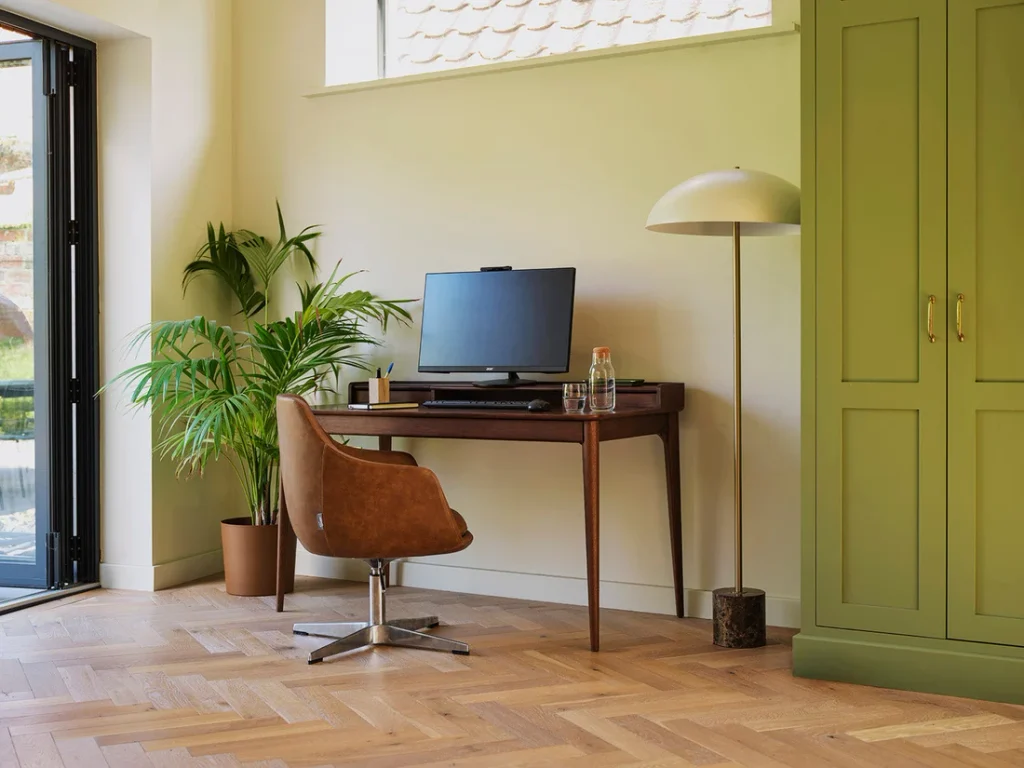
You do not necessarily need a separate office to start.
Create a workspace where you can work comfortably and professionally.
For an online business, this might include:
- A reliable computer
- Stable internet
- Comfortable desk and chair
- Good lighting
- Headphones or microphone
- Necessary software
- Backup storage
If you are producing physical products, make sure you have enough clean and organized space for equipment, materials, packaging, and inventory.
Keeping your work area organized can improve productivity and make it easier to separate business activities from personal activities.
Step 8: Create a Professional Online Presence
Even a small home business should look professional online.
At a minimum, consider creating:
- A simple business website
- A professional email address
- Relevant social media profiles
- A clear business description
- Contact information
- Product or service information
Your website does not need dozens of pages when you are starting.
A simple website can include:
Home
About
Services or Products
Contact
Privacy Policy
Make sure your website works well on mobile devices and loads quickly.
Step 9: Use Social Media to Find Customers
Social media can help a new home business reach potential customers without requiring a huge advertising budget.
Choose platforms where your target customers are actually active.
Depending on your business, these may include Facebook, Instagram, LinkedIn, TikTok, YouTube, or other platforms.
Instead of posting only promotional messages, create useful content.
For example, a digital marketing business could share marketing tips. A baker could publish recipes, product videos, or behind-the-scenes content. A fitness instructor could share educational exercise content.
Useful content can help build trust before someone becomes a customer.
Step 10: Get Your First Customers
Getting the first few customers can be one of the hardest parts of starting a business.
Begin with people who already know or trust you, where appropriate. You can also reach potential customers directly through professional networking, local communities, social media, marketplaces, or business directories.
For service businesses, consider offering a small introductory package rather than heavily discounting your work.
Once you have satisfied customers, ask for genuine reviews or testimonials.
Positive customer feedback can make it easier for new customers to trust your business.
Step 11: Provide Excellent Customer Service
A small business can compete with larger companies by providing a better customer experience.
Respond to messages promptly, communicate clearly, meet agreed deadlines, and solve problems professionally.
If something goes wrong, do not ignore the customer.
A customer who receives excellent support may return and recommend your business to others.
Repeat customers and referrals can become an important source of long-term growth.
Step 12: Keep Business and Personal Finances Organized
Even if your business starts small, keep accurate records from the beginning.
Track:
- Sales
- Business expenses
- Customer payments
- Supplier costs
- Marketing expenses
- Profit and loss
Where appropriate, consider keeping business transactions separate from personal finances.
Good financial records can help you understand whether the business is actually profitable and make tax and accounting tasks easier.
Step 13: Check Local Legal Requirements
Home-based businesses can be subject to different rules depending on where you live and what you sell.
You may need to consider:
- Business registration
- Local permits
- Tax requirements
- Food safety rules
- Product regulations
- Professional licenses
- Home-business restrictions
Requirements vary by location and business type, so check the rules that apply to your area before launching.
If your business involves regulated professional services, food production, or other specialized activities, professional legal or accounting advice may also be appropriate.
Step 14: Start Small and Improve
You do not need everything to be perfect before launching.
Start with a basic version of your product or service and learn from real customers.
Pay attention to:
- What customers like
- What they dislike
- Which products sell
- Which marketing channels work
- Which questions customers ask
- Where customers stop buying
Use this information to improve your business.
A small launch can help you avoid spending large amounts of money on an idea that has not been tested.
Common Mistakes to Avoid
New entrepreneurs often make avoidable mistakes.
Spending Too Much Too Early
Do not purchase expensive equipment, inventory, or software before you understand your demand.
Trying to Serve Everyone
A specific target audience often makes marketing easier than trying to appeal to everyone.
Ignoring Marketing
A great product will not automatically attract customers. You need a plan for getting your business in front of the right people.
Setting Prices Too Low
Very low prices can make it difficult to cover expenses and grow. Understand your costs before deciding on your price.
Giving Up Too Quickly
Building a business usually takes time. Test, learn, improve, and adjust your approach instead of expecting immediate results.
Best Home Business Ideas for Beginners
If you are starting with limited experience, consider a business that uses skills you already have.
Some beginner-friendly options include:
- Freelance writing
- Graphic design
- Virtual assistance
- Online tutoring
- Social media management
- Digital marketing
- Content creation
- Online selling
- Consulting
- Local service businesses
The best choice depends on your skills, available time, budget, and local market.
Final Thoughts
Starting a small business from home in 2026 is more accessible than it has been for many entrepreneurs. Digital tools and online platforms allow individuals to reach customers, promote services, and operate businesses without immediately renting a commercial location.
However, success does not come simply from choosing a popular business idea.
Start with a real customer problem. Keep your initial costs manageable. Research your market, create a simple plan, build a professional online presence, and focus on providing genuine value.
Most importantly, start small and learn from your customers.
Your first version does not have to be perfect. What matters is taking the first practical step and improving as you gain experience.
Frequently Asked Questions
Can I start a small business from home with little money?
Yes. Service-based businesses such as freelancing, tutoring, virtual assistance, writing, and digital marketing can often be started with relatively low initial costs.
What is the easiest business to start from home?
There is no single easiest business for everyone. A service based on an existing skill can be one of the simplest options because it may not require inventory or a physical store.
Do I need a website for a home-based business?
A website is not required for every business, but it can improve credibility, provide information about your products or services, and make it easier for potential customers to contact you.
How can I find my first customers?
You can start with your existing network, social media, local communities, online marketplaces, professional networking, referrals, and direct outreach to potential customers.
How much money do I need to start a home business?
The amount varies significantly depending on the business. A freelance service may require only basic technology and internet access, while an e-commerce or food business may require inventory, equipment, packaging, and other expenses.
Is a home business profitable?
A home business can be profitable, but profitability depends on customer demand, pricing, expenses, competition, and how effectively the business is managed. There is no guaranteed level of income.
Can I run a home business while working a full-time job?
In many cases, yes. Starting part-time can allow you to test an idea and build customers before deciding whether to make the business your primary source of income.



4 Comments