nuzhatrazzaq2002@gmail.com
In today’s fast-paced and highly competitive market, developing a winning business strategy in America is more important than ever. The United States is one of the largest and most dynamic economies in the world, offering immense opportunities for entrepreneurs and businesses. However, success doesn’t come easily. It requires careful planning, deep market understanding, innovation, and adaptability.
This comprehensive guide will walk you through the essential steps to create a powerful and effective business strategy that can help you thrive in the American market.
Understanding the American Market Landscape
Before building a business strategy, it is crucial to understand the environment in which your business will operate. The American market is diverse, with varying consumer behaviors, cultural differences, and economic conditions across states.
The U.S. economy is driven by innovation, consumer demand, and technological advancement. Industries such as technology, healthcare, finance, and e-commerce dominate the landscape. To succeed, businesses must analyze trends, identify gaps, and understand customer needs.
Market research plays a vital role here. You need to study your target audience, competitors, and industry trends. Knowing what customers want and how competitors operate will give you a solid foundation for your strategy.
Defining Your Vision and Mission
A winning business strategy begins with a clear vision and mission. Your vision defines where you want your business to go in the future, while your mission explains your purpose and what you aim to achieve.
A strong vision inspires your team and guides decision-making. Your mission should clearly communicate your values, goals, and the problem you are solving for customers.
For example, if you are starting a tech company, your vision might focus on innovation and transformation, while your mission could emphasize delivering cutting-edge solutions that improve people’s lives.
Setting Clear Business Goals
Once your vision and mission are defined, the next step is setting measurable and realistic goals. These goals should align with your overall strategy and provide a roadmap for success.
Effective goals follow the SMART principle:
- Specific
- Measurable
- Achievable
- Relevant
- Time-bound
For example, instead of saying “increase sales,” a SMART goal would be “increase sales by 20% within the next 12 months.”
Clear goals help you track progress and make necessary adjustments along the way.
Conducting a SWOT Analysis
A SWOT analysis is a powerful tool that helps you evaluate your business’s:
- Strengths
- Weaknesses
- Opportunities
- Threats
Understanding your strengths allows you to leverage them for growth, while identifying weaknesses helps you improve. Opportunities highlight potential areas for expansion, and threats alert you to possible challenges.
For example, a strength could be a strong brand identity, while a weakness might be limited financial resources. Opportunities could include emerging markets, and threats might involve increasing competition.
This analysis helps you create strategies that maximize your advantages and minimize risks.
Identifying Your Target Audience
A successful business strategy focuses on the right audience. Not everyone is your customer, and trying to target everyone can lead to wasted resources.
You need to define your ideal customer by considering factors such as:
- Age
- Gender
- Income level
- Location
- Interests and preferences
Creating customer personas can help you better understand your audience. These are detailed profiles that represent your ideal customers, including their needs, behaviors, and challenges.
By focusing on a specific audience, you can tailor your products, services, and marketing efforts to meet their expectations.
Analyzing Competitors
Competition in America is intense, and understanding your competitors is essential for success. A competitive analysis helps you identify what others in your industry are doing right and where they fall short.
Study your competitors’:
- Products and services
- Pricing strategies
- Marketing techniques
- Customer reviews
This information allows you to differentiate your business and offer something unique. Your competitive advantage could be better quality, lower prices, superior customer service, or innovative features.
Standing out in a crowded market is key to building a winning strategy.
Developing a Unique Value Proposition
Your value proposition is what makes your business different and attractive to customers. It clearly explains why customers should choose you over competitors.
A strong value proposition should:
- Solve a specific problem
- Provide clear benefits
- Be easy to understand
For example, if you run an online store, your value proposition might focus on fast delivery, high-quality products, or exceptional customer service.
Your value proposition should be consistent across all your marketing channels and communication.
Creating a Marketing Strategy
Marketing is a crucial component of your business strategy. Without effective marketing, even the best products may fail.
In the American market, digital marketing plays a significant role. Key marketing channels include:
- Social media
- Search engine optimization (SEO)
- Content marketing
- Email marketing
- Paid advertising
You should choose the channels that best suit your target audience. For example, younger audiences are more active on social media platforms, while professionals may respond better to email campaigns.
Consistency, creativity, and data-driven decisions are essential for successful marketing.
Building a Strong Brand Identity
Your brand is more than just a logo; it represents your business’s personality, values, and reputation.
A strong brand identity helps you:
- Build trust with customers
- Stand out from competitors
- Create emotional connections
Elements of brand identity include:
- Logo and design
- Color scheme
- Tone of voice
- Messaging
Consistency in branding across all platforms strengthens recognition and credibility.
Financial Planning and Budgeting
No business strategy is complete without a solid financial plan. You need to manage your finances carefully to ensure sustainability and growth.
Key aspects of financial planning include:
- Startup costs
- Operational expenses
- Revenue projections
- Profit margins
Creating a budget helps you allocate resources effectively and avoid overspending. It also allows you to plan for future investments and expansion.
Regular financial analysis helps you identify areas for improvement and make informed decisions.
Leveraging Technology and Innovation
Technology plays a major role in the success of businesses in America. Companies that embrace innovation gain a competitive edge.
You can use technology to:
- Improve efficiency
- Enhance customer experience
- Streamline operations
- Analyze data
For example, using customer relationship management (CRM) software can help you manage interactions and improve customer satisfaction.
Staying updated with technological trends ensures your business remains relevant and competitive.
Building a Strong Team
Your team is one of your most valuable assets. A skilled and motivated workforce can drive your business toward success.
Focus on:
- Hiring talented individuals
- Providing training and development
- Encouraging collaboration
- Creating a positive work environment
Leadership also plays a crucial role. Effective leaders inspire their teams, make strategic decisions, and guide the company toward its goals.
Implementing and Monitoring Your Strategy
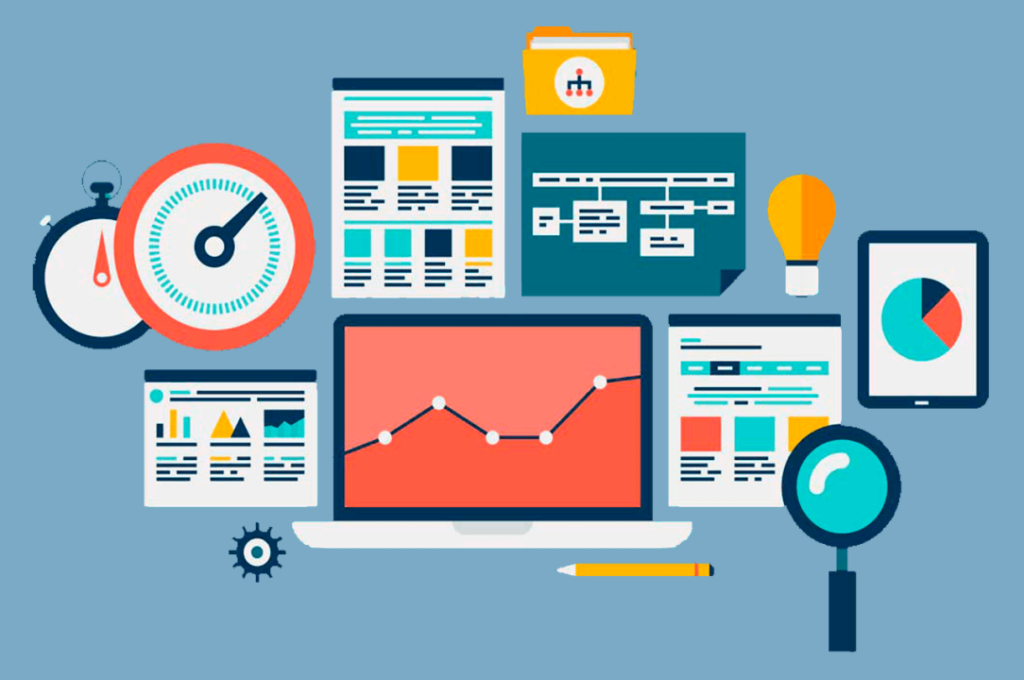
Once your strategy is developed, the next step is implementation. This involves putting your plans into action and ensuring everyone in your organization understands their roles.
Monitoring is equally important. You need to track your progress using key performance indicators (KPIs) such as:
- Sales growth
- Customer acquisition
- Conversion rates
- Profitability
Regular evaluation allows you to identify what’s working and what needs improvement.
Adapting to Market Changes
The American business environment is constantly evolving. Economic shifts, technological advancements, and changing consumer preferences can impact your strategy.
Flexibility is key. You must be willing to adapt and make changes when necessary.
For example, during economic downturns, businesses may need to adjust pricing or reduce costs. Similarly, emerging trends may require new products or services.
Continuous learning and adaptation ensure long-term success.
Focusing on Customer Experience
Customer experience is a major factor in business success. Happy customers are more likely to return and recommend your business to others.
You can improve customer experience by:
- Providing excellent service
- Listening to feedback
- Resolving issues quickly
- Personalizing interactions
Building strong relationships with customers creates loyalty and enhances your brand reputation.
Expanding and Scaling Your Business
Once your business is stable, you can focus on growth and expansion. Scaling involves increasing your operations without compromising quality.
Expansion strategies may include:
- Entering new markets
- Launching new products
- Forming partnerships
- Franchising
Careful planning is essential to ensure sustainable growth.
Conclusion
Developing a winning business strategy in America requires a combination of research, planning, innovation, and execution. By understanding the market, defining clear goals, and focusing on customer needs, you can create a strong foundation for success.
Remember, a business strategy is not a one-time effort. It is an ongoing process that requires continuous evaluation and improvement. Staying adaptable and open to change will help you navigate challenges and seize opportunities.
With the right approach, dedication, and persistence, you can build a successful business that thrives in the competitive American market.