
Running a small business is not always easy. You may have a good product or service, but getting people to notice your business can be a completely different challenge. Large companies often have big marketing budgets, dedicated teams, and plenty of resources. Small businesses usually have to work with limited time and money.
The good news is that effective marketing does not always require a huge budget. A clear strategy, consistent effort, and a good understanding of your customers can make a real difference.
In this guide, we will look at practical small business marketing strategies that can help you attract new customers, build trust, and grow your business over time.
1. Know Who Your Customers Are
Before spending money on advertising, take some time to understand the people you want to reach.
Think about who is most likely to buy your product or use your service. What problem are they trying to solve? What questions do they usually ask? Where do they look for information before making a purchase?
For example, a local repair business may focus on people searching for quick and reliable services in their area. An online store may focus on customers who compare products, prices, and reviews before buying.
The more clearly you understand your audience, the easier it becomes to create marketing that feels relevant instead of like a generic advertisement.
2. Build a Professional Website
Your website is often one of the first places a potential customer goes after discovering your business.
It does not need to be complicated. It should be easy to navigate, work well on mobile devices, load properly, and clearly explain what your business offers.
Make sure every important service has enough information for visitors to understand what you provide and what they should do next.
Your website should also include simple ways for people to contact you, such as a contact form, email address, phone number, or another suitable method.
A well-organized website can also make it easier for search engines to understand your business and its content.
3. Use SEO to Get Found on Google
Search engine optimization, commonly called SEO, can be particularly useful for small businesses because it can help people discover your website when they are already searching for something related to your products or services.
Start with the topics and phrases your potential customers actually use.
Instead of repeatedly using the same keyword, create useful pages that answer real questions and explain your services clearly. Google specifically advises against keyword stuffing and recommends creating helpful, people-first content.
For example, instead of creating a page filled with the phrase “small business marketing,” you could create useful content such as:
- How to Create a Marketing Plan for a Small Business
- Affordable Marketing Ideas for Local Businesses
- How Small Businesses Can Use Social Media
- SEO Tips for New Business Websites
- How to Get More Customers Online
These topics give visitors something useful while naturally covering related search terms.
4. Create Useful Content
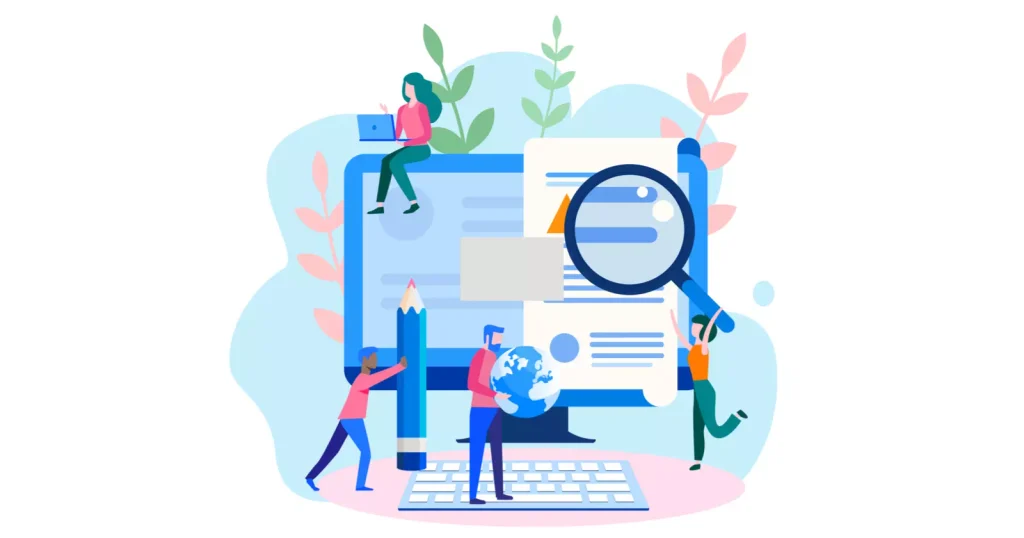
Content marketing does not mean writing articles just to fill your website.
The best content starts with a real customer problem.
If customers regularly ask you the same questions, those questions can become blog posts, guides, FAQs, or videos.
For example, a landscaping company could publish an article about choosing plants for a particular climate. A digital marketing company could explain how a small business can improve its online presence.
Good content should leave the reader with something useful. It should answer the question, explain the issue clearly, and help the reader decide what to do next.
Google’s guidance emphasizes original, useful, reliable content rather than content produced mainly to manipulate search rankings.
5. Take Social Media Seriously
You do not necessarily need to be active on every social media platform.
Choose the platforms where your potential customers are most likely to spend time and concentrate your efforts there.
Share useful information, company updates, product demonstrations, customer stories, behind-the-scenes content, and answers to common questions.
The goal should not be to promote your business in every single post. People are more likely to engage with a business when its content is useful, interesting, or genuinely helpful.
Consistency is usually more valuable than posting a large amount of content for a few weeks and then disappearing.
6. Build a Strong Local Presence
If your business serves a particular city or area, local marketing can be extremely important.
Make sure your business information is accurate and consistent across the web. Create location-relevant website content where it makes sense, and make it easy for customers to understand where you operate.
Customer reviews can also help potential buyers feel more confident about your business.
Instead of trying to reach everyone, focus on becoming visible to the people who are most likely to become customers in your service area.
7. Encourage Customer Reviews
People naturally want to know whether other customers have had a good experience before choosing a business.
After successfully completing a job or making a sale, you can politely ask satisfied customers to leave an honest review.
Never create fake reviews or pressure customers into leaving only positive feedback. Authentic customer experiences are much more valuable for building long-term trust.
Reviews can also give you useful feedback about what customers appreciate and where your business could improve.
8. Use Email Marketing
Email remains a practical way for businesses to stay connected with existing customers.
You can use email to share new products, special offers, useful tips, company news, or helpful content.
The key is to avoid sending messages simply because you have someone’s email address.
Give people a reason to open your emails. A useful newsletter that solves small problems or shares valuable information can be much more effective than constant sales messages.
9. Try Paid Advertising Carefully
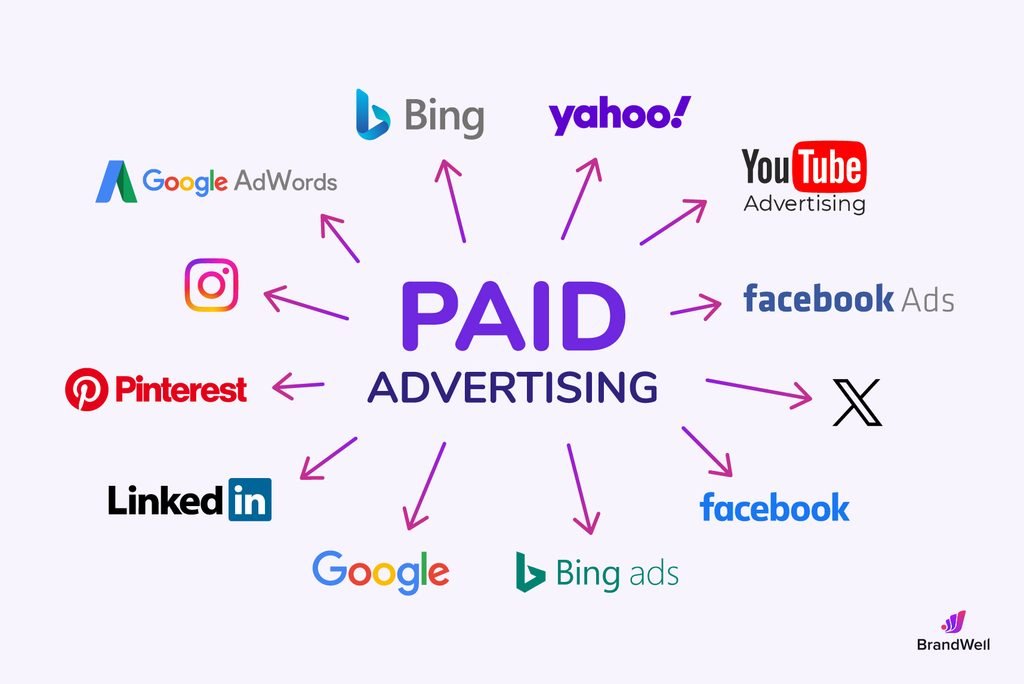
Paid advertising can bring faster traffic than waiting for organic search results, but small businesses should be careful with their budget.
Start with a clear goal.
Do you want phone calls? Website visits? Leads? Product sales?
Once you know the goal, test a small campaign and pay attention to the results. Avoid spending a large amount of money before you know which audience, message, and offer actually work.
Good marketing is not simply about getting clicks. The real question is whether those clicks turn into meaningful business results.
10. Track What Is Working
One of the biggest advantages of online marketing is that you can measure many parts of it.
Keep track of where your visitors come from, which pages they visit, what content gets attention, and which marketing activities produce leads or sales.
If something is working, look for ways to improve it.
If something consistently produces poor results, change the approach instead of continuing to spend time and money on it.
SEO results can also take time. Google notes that changes may take anywhere from hours to several months to show an impact in Search, so it is better to evaluate progress over a reasonable period rather than expecting immediate results.
11. Focus on Trust, Not Just Traffic
Getting more visitors to your website is useful, but traffic alone does not build a business.
People need a reason to trust you.
Show what your business does, explain your services honestly, provide clear contact information, use real examples where possible, and make it easy for customers to understand what they can expect.
Your website should answer the basic questions a potential customer has before contacting you.
Who are you?
What do you offer?
Who is your service for?
Why should someone consider your business?
How can they contact you?
The clearer these answers are, the easier it is for visitors to make a decision.
12. Keep Improving Your Marketing Strategy
There is no single marketing strategy that works perfectly for every small business.
A strategy that works for a local restaurant may not work for an online software company. A service provider may need a different approach from an e-commerce store.
Start with a few practical channels instead of trying everything at once.
Improve your website. Publish useful content. Work on SEO. Stay active where your customers spend time. Ask for genuine reviews. Test advertising when it makes financial sense. Then measure the results.
Over time, you will learn which activities bring the best customers to your business.
Final Thoughts
Small business marketing is not about trying to compete with large companies on every channel. It is about understanding your customers and consistently showing them why your business is worth considering.
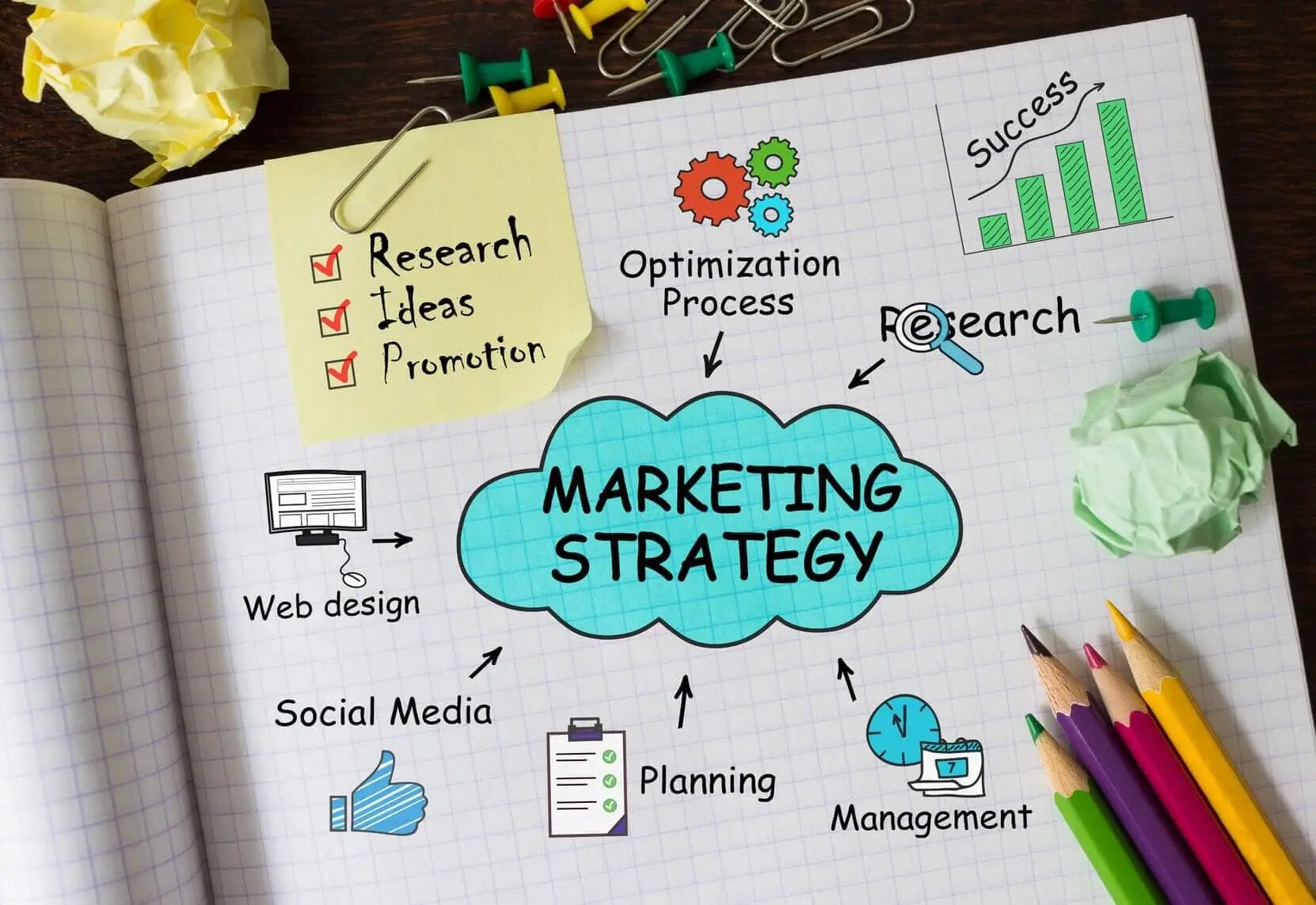
A professional website, useful content, SEO, social media, customer reviews, email marketing, local visibility, and carefully managed advertising can all play a role in a strong marketing strategy.
The most important thing is to focus on helping real people rather than creating content simply for search engines. Google recommends people-first content that is useful, reliable, original, and created to genuinely serve an audience.
Start with a few strategies that make sense for your business, measure the results, and improve as you learn. With consistency and patience, small improvements can turn into meaningful long-term growth.