

Good money habits can make a major difference in your financial life. You do not need to earn a huge income to become better at managing money. What matters most is how consistently you plan, spend, save, and make financial decisions.
In 2026, managing money has become easier in many ways because digital banking, budgeting apps, automatic payments, and online financial tools are widely available. At the same time, easy access to online shopping, subscriptions, digital payments, and instant purchases can make overspending easier.
Building good money habits means creating a simple system that helps you stay aware of your finances and work toward your goals.
Whether you are a student, employee, freelancer, business owner, or someone trying to improve your personal finances, developing better financial habits can help you become more organized and prepared for the future.
This guide explains how to build good money habits in 2026 and provides practical steps you can start using today.
What Are Good Money Habits?
Money habits are the repeated behaviors that influence how you earn, spend, save, and manage your money.
Examples of healthy money habits include:
- Creating a monthly budget
- Tracking expenses
- Saving regularly
- Paying bills on time
- Avoiding unnecessary debt
- Building emergency savings
- Setting financial goals
- Reviewing your finances regularly
You do not need to change everything at once.
The best approach is to introduce small habits and make them part of your normal routine.
1. Know Where Your Money Goes
The first step toward better money management is understanding your spending.
Many people know approximately how much they earn but cannot explain exactly where their money goes each month.
Start tracking your expenses.
Record purchases such as:
- Groceries
- Transportation
- Housing
- Utilities
- Restaurants
- Shopping
- Subscriptions
- Entertainment
- Debt payments
After a month, review the information.
You may discover spending patterns that were difficult to notice before.
Once you know where your money is going, you can make more informed decisions.
2. Create a Monthly Budget
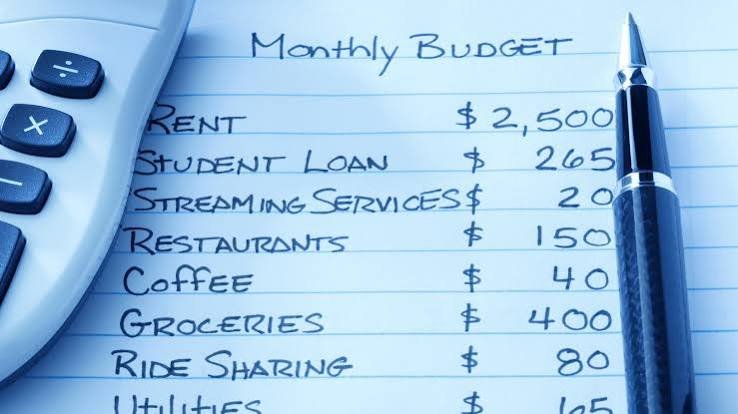
A budget gives every part of your income a purpose.
Start with your monthly income and list your essential expenses.
Then allocate money toward savings, debt payments, and discretionary spending.
Your budget should reflect your actual circumstances.
Do not create a plan that looks good on paper but is impossible to follow.
A realistic budget should allow you to cover important expenses while still leaving room for reasonable personal spending.
Review your budget each month and make adjustments when your income or expenses change.
3. Save Money Automatically
One of the easiest ways to develop a saving habit is to automate it.
Set up a recurring transfer from your main account to a separate savings account.
This can happen after you receive your income.
You can use automatic savings for:
- Emergency funds
- Travel
- Education
- Major purchases
- Business goals
- Long-term financial goals
The amount does not have to be large when you are starting.
Consistency is more important than making a large contribution once and then stopping.
4. Build an Emergency Fund
Unexpected expenses can happen at any time.
You may face an urgent repair, medical expense, temporary loss of income, or other financial emergency.
An emergency fund provides a financial buffer.
If you do not currently have savings, start with a small target.
Once you reach that target, continue building gradually based on your circumstances.
Keep emergency savings separate from your everyday spending money so that you are less likely to use it for non-essential purchases.
5. Think Before You Buy
Impulse spending is one of the most common obstacles to saving money.
Online stores and digital payment systems make it extremely easy to purchase something within seconds.
Before making a non-essential purchase, pause and ask:
- Do I actually need this?
- Is it in my budget?
- Do I already own something similar?
- Would I still want it after waiting a few days?
- Could this money be used for an important financial goal?
For expensive purchases, give yourself more time before making a decision.
A short delay can help separate a genuine need from a temporary desire.
6. Reduce Unnecessary Subscriptions
Recurring payments can easily become part of your financial routine without you noticing.
Review your bank statements regularly and identify subscriptions you no longer use.
These might include:
- Streaming services
- Apps
- Software
- Fitness memberships
- Online services
- Digital publications
Cancel services that no longer provide enough value.
You can also review your subscriptions whenever prices increase.
Reducing a few recurring expenses can create savings every month.
7. Make Saving a Priority
Many people follow the habit of spending first and saving whatever remains.
A better approach can be to treat saving as one of your planned expenses.
When you receive your income, allocate money toward savings before spending on optional purchases.
This does not mean you should ignore essential bills.
Instead, include savings as a regular part of your financial plan.
Over time, this can make saving feel like a normal responsibility rather than something you do only when you have extra money.
8. Manage Debt Responsibly
Debt can affect your ability to save and reach financial goals.
Start by understanding all of your current debts.
Record:
- Outstanding balance
- Interest rate
- Minimum payment
- Due date
Always make required payments on time.
If you have multiple debts, research suitable repayment strategies and consider whether focusing on higher-cost debt could reduce the amount of interest you pay over time.
Avoid taking on new debt for unnecessary purchases when possible.
For complex debt situations, professional financial advice may be appropriate.
9. Pay Bills on Time
Late payments can result in fees and may create unnecessary financial stress.
Create reminders for important bills or use automatic payments where appropriate.
Make sure you have enough money available before scheduled automatic payments are processed.
A simple monthly bill checklist can help you stay organized.
Write down:
- Bill name
- Amount
- Due date
- Payment status
Once paying bills becomes a regular routine, it becomes easier to avoid missed payments.
10. Set Specific Financial Goals
Good money habits become easier when you know what you are working toward.
Instead of saying:
“I want to save money.”
Set a measurable goal.
For example:
“I want to save $2,400 over the next 12 months.”
This gives you a target of approximately $200 per month.
Your goals might include:
- Building emergency savings
- Paying off debt
- Starting a business
- Buying a home
- Paying for education
- Saving for travel
- Building long-term wealth
Write down your goals and review them regularly.
11. Learn Basic Financial Concepts
Financial knowledge can improve the quality of your decisions.
Spend time learning about:
- Budgeting
- Saving
- Interest
- Debt
- Credit
- Insurance
- Taxes
- Investing
- Retirement planning
You do not need to understand every financial product.
Focus on the concepts that are relevant to your current situation.
When considering major financial decisions, use reliable sources and seek qualified professional advice when appropriate.
12. Avoid Lifestyle Inflation
When income increases, spending often increases too.
You may start buying more expensive products, upgrading your lifestyle, or taking on higher recurring expenses.
Some lifestyle improvements are reasonable.
However, increasing every expense whenever your income rises can make it difficult to improve your financial position.
Consider directing part of any income increase toward savings, debt repayment, or other financial goals.
This allows you to enjoy some of your additional income while continuing to build financial security.
13. Plan for Irregular Expenses
Not every expense happens every month.
Examples include:
- Annual subscriptions
- Vehicle maintenance
- School expenses
- Gifts
- Insurance payments
- Home repairs
- Travel
If you ignore these costs, they can disrupt your monthly budget when they arrive.
Make a list of predictable irregular expenses and estimate how much they may cost during the year.
Then consider setting aside money gradually for them.
This can make unexpected-looking bills easier to manage.
14. Review Your Financial Accounts
Set aside time each month to review your accounts.
Check:
- Account balances
- Recent transactions
- Savings progress
- Debt balances
- Recurring payments
Look for transactions you do not recognize and contact your financial institution if something appears suspicious.
Regular reviews also help you identify unnecessary spending and stay aware of your overall financial position.
15. Use Technology Wisely
Technology can make good money habits easier.
You can use digital tools to:
- Track expenses
- Create budgets
- Schedule payments
- Automate savings
- Monitor accounts
- Set financial reminders
However, convenience should not replace awareness.
Review your accounts regularly even when most payments and transfers are automated.
Also use strong passwords and available security features when accessing financial accounts online.
16. Practice Delayed Gratification
Delayed gratification means choosing a future benefit instead of an immediate purchase.
For example, instead of spending extra money today, you might save it toward an emergency fund or another important goal.
This does not mean you should never enjoy your money.
It means learning to balance short-term enjoyment with long-term priorities.
A simple question can help:
“Would I rather have this item today, or would I rather have the financial benefit of saving this money?”
Over time, this way of thinking can become a powerful financial habit.
17. Increase Your Income Over Time
Money management is not only about reducing expenses.
Increasing your income can also improve your financial situation.
Depending on your circumstances, you might:
- Develop a valuable skill
- Ask for additional responsibilities
- Explore better employment opportunities
- Start freelancing
- Build a small side business
- Create digital products
- Offer professional services
When income increases, avoid automatically increasing all your expenses.
Consider using part of the additional income to strengthen your savings and financial goals.
Create a Simple Money Routine
You can turn these ideas into a simple routine.
Weekly
Review recent spending and check whether you are staying within your budget.
Monthly
Review income, expenses, savings, and debt payments.
Every Few Months
Review subscriptions, recurring expenses, financial goals, and savings progress.
Once a Year
Review your overall financial goals and make adjustments based on changes in your income, expenses, and priorities.
A simple routine can help good financial decisions become automatic over time.
Common Money Habits to Avoid
Spending Without Tracking
If you do not know where your money goes, it becomes difficult to control spending.
Saving Only What Is Left
There may be nothing left after discretionary spending.
Using Debt for Unnecessary Purchases
Borrowing can increase the long-term cost of purchases.
Ignoring Small Recurring Expenses
Small subscriptions and frequent purchases can add up.
Setting Unrealistic Goals
Financial goals should challenge you without being impossible to maintain.
Comparing Your Finances With Others
People have different incomes, expenses, responsibilities, and financial priorities. Focus on improving your own situation.
A 30-Day Plan to Build Better Money Habits
You can start improving your finances with a simple 30-day challenge.
Days 1–7: Track every expense.
Days 8–14: Create a realistic monthly budget.
Days 15–21: Cancel unnecessary subscriptions and identify spending you can reduce.
Days 22–30: Set a savings goal and automate a regular transfer.
At the end of the month, review your progress.
Choose the habits that worked best and continue them.
Final Thoughts
Learning how to build good money habits in 2026 is not about becoming perfect with your finances.
It is about creating simple behaviors that you can repeat consistently.
Start by understanding your income and expenses. Create a realistic budget, track your spending, automate savings, build an emergency fund, manage debt carefully, and set clear financial goals.
Technology can make these tasks easier, but your habits and decisions remain the most important part of financial management.
Do not try to change everything overnight.
Choose one habit, practice it until it becomes routine, and then add another.
Over time, these small improvements can create a more organized approach to money and help you make better financial decisions.
Frequently Asked Questions
What are good money habits for beginners?
Good money habits include tracking expenses, creating a budget, saving regularly, paying bills on time, managing debt, building emergency savings, and setting specific financial goals.
How can I start saving money in 2026?
Begin by reviewing your expenses and identifying areas where you can save. Then set a realistic savings target and consider automating regular transfers into a dedicated savings account.
How do I stop overspending?
Track your spending, create a budget, reduce impulse purchases, and use a waiting period before buying non-essential items.
Should I save money or pay off debt?
The right balance depends on your financial circumstances and the type and cost of your debt. Maintaining some emergency savings while addressing expensive debt may be worth considering.
How long does it take to build good money habits?
There is no fixed timeline. Consistency is more important than speed. Start with one habit and repeat it regularly until it becomes part of your normal routine.
Can technology help with money management?
Yes. Budgeting apps, online banking tools, automatic transfers, reminders, and spreadsheets can make tracking and organizing finances easier.
What is the most important financial habit?
There is no single habit that works for everyone, but consistently spending within your means, saving regularly, and reviewing your finances can provide a strong foundation.




2 Comments