nuzhatrazzaq2002@gmail.com
In today’s digital economy, your skills are more valuable than ever. Whether you’re a writer, designer, programmer, or marketer, freelancing gives you the opportunity to earn money online, work from anywhere, and build a flexible career.
But with so many freelancing platforms available, beginners often feel confused about where to start. Each platform has its own features, audience, and earning potential.
In this comprehensive guide, we’ll review the top freelancing platforms, explain how they work, and help you choose the right one to turn your skills into cash.
What Is Freelancing?
Freelancing means offering your services to clients on a project or contract basis instead of working as a full-time employee. You can work with multiple clients and set your own rates.
Freelancing is popular in fields like:
- Content writing
- Graphic design
- Web development
- Digital marketing
- Video editing
The biggest advantage? You control your time, income, and growth.
Why Freelancing Is Booming
The demand for freelancers is growing rapidly because:
- Businesses prefer flexible hiring
- Remote work is becoming the norm
- Startups need cost-effective solutions
- Digital services are in high demand
This has created massive opportunities for skilled individuals worldwide.
Top Freelancing Platforms Reviewed
Let’s explore some of the most popular freelancing platforms and what they offer.
1. Fiverr
Overview
Fiverr is one of the most beginner-friendly freelancing platforms. It allows freelancers to create “gigs” where they offer services starting at $5 (though prices can go much higher).
Best For
- Beginners
- Creative services (design, writing, video editing)
Pros
- Easy to set up
- No bidding required
- Global audience
Cons
- High competition
- Platform takes a commission
How to Succeed
- Create attractive gig titles
- Use high-quality images
- Offer competitive pricing initially
- Deliver excellent service for good reviews
2. Upwork
Overview
Upwork connects freelancers with clients through a bidding system. You apply for jobs and submit proposals.
Best For
- Intermediate to advanced freelancers
- Long-term projects
Pros
- High-paying clients
- Wide range of job categories
- Secure payment system
Cons
- Competitive bidding process
- Service fees
How to Succeed
- Write personalized proposals
- Build a strong profile
- Start with smaller jobs to gain reviews
3. Freelancer
Overview
Freelancer is another popular platform where freelancers bid on projects posted by clients.
Best For
- Beginners to intermediate freelancers
- Various skill categories
Pros
- Large number of projects
- Global client base
Cons
- High competition
- Limited free bids
How to Succeed
- Bid strategically
- Highlight your skills clearly
- Maintain good communication
4. Toptal
Overview
Toptal is a premium freelancing platform that connects top freelancers with high-end clients.
Best For
- Highly skilled professionals
- Developers, designers, finance experts
Pros
- High-paying projects
- Quality clients
- Less competition after selection
Cons
- Strict screening process
- Not beginner-friendly
How to Succeed
- Build strong expertise
- Prepare for skill tests
- Maintain a professional portfolio
5. PeoplePerHour
Overview
PeoplePerHour allows freelancers to offer hourly services and fixed-price projects.
Best For
- Freelancers in Europe and globally
- SEO, writing, and design services
Pros
- Flexible pricing options
- Good project variety
Cons
- Limited free proposals
- Approval process
How to Succeed
- Optimize your profile
- Respond quickly to clients
- Deliver quality work
6. Guru
Overview
Guru offers a simple interface for freelancers to find jobs and collaborate with clients.
Best For
- Beginners and intermediate freelancers
- Long-term projects
Pros
- Easy to use
- Secure payment system
Cons
- Fewer jobs compared to competitors
- Membership plans required for full access
How to Succeed
- Build a strong portfolio
- Maintain client relationships
- Deliver projects on time
How to Choose the Right Freelancing Platform
Selecting the right platform depends on your goals and experience level.
For Beginners
Start with platforms like:
- Fiverr
- Freelancer
For Intermediate Freelancers
Consider:
- Upwork
- PeoplePerHour
For Experts
Go for:
- Toptal
Choose a platform where your skills match the demand.
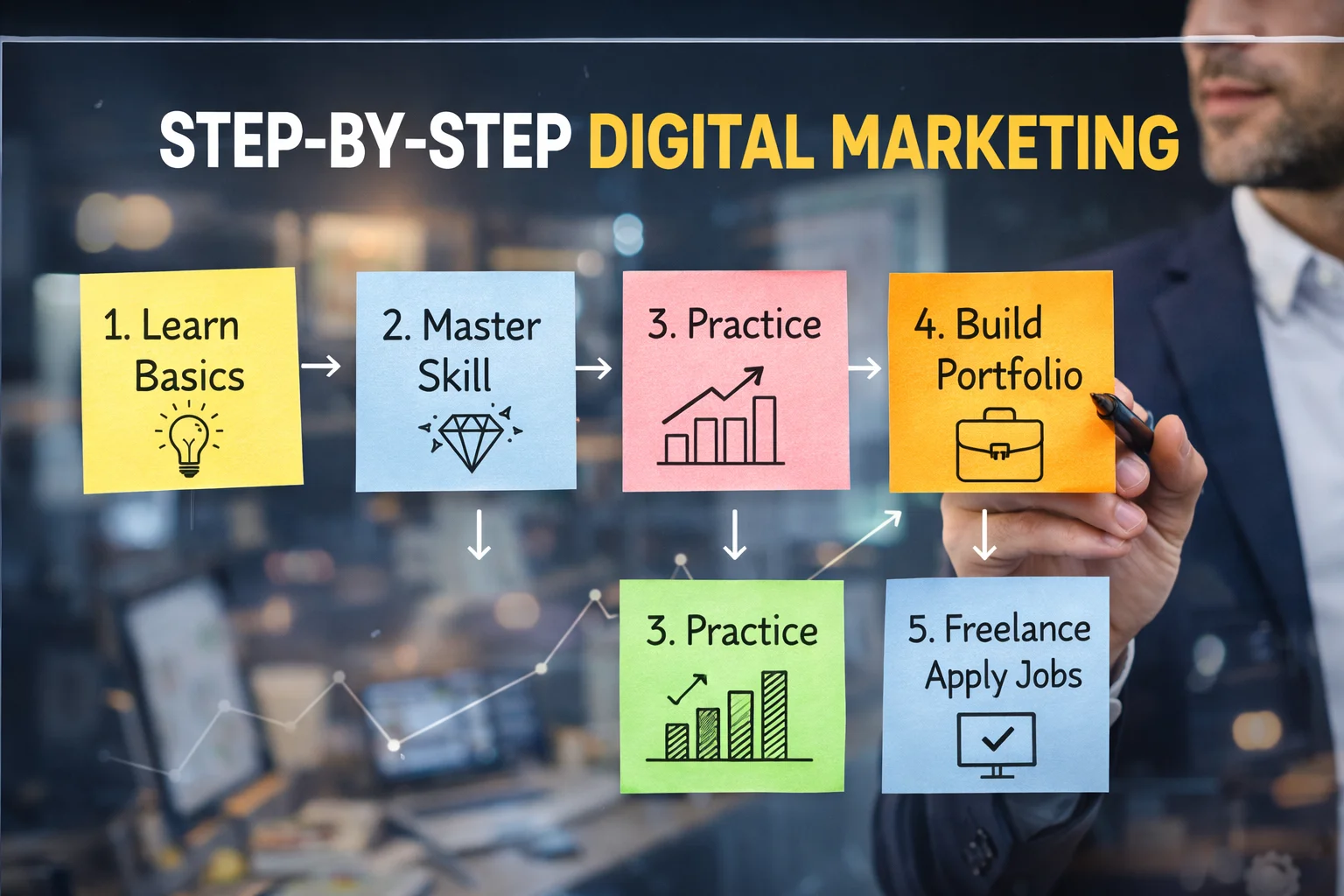
Step-by-Step Guide to Start Freelancing
Step 1: Identify Your Skill
Choose a skill you are confident in, such as writing, design, or programming.
Step 2: Build a Portfolio
Create samples of your work to showcase your abilities.
Step 3: Create a Profile
Sign up on a freelancing platform and optimize your profile.
Step 4: Start Small
Take small projects to build reviews and experience.
Step 5: Improve and Scale
Increase your rates as you gain experience and positive feedback.
Common Mistakes to Avoid
1. Setting Prices Too Low
While starting low is okay, don’t undervalue your skills for too long.
2. Ignoring Communication
Clear communication builds trust with clients.
3. Missing Deadlines
Late delivery can damage your reputation.
4. Poor Profile Optimization
Your profile is your first impression—make it strong.
Tips to Maximize Your Freelancing Income
- Specialize in a niche
- Learn high-demand skills
- Build long-term client relationships
- Deliver more value than expected
- Continuously upgrade your skills
Future of Freelancing
Freelancing is expected to grow even more in the coming years. With advancements in technology and remote work culture, more businesses are hiring freelancers.
This means:
- More opportunities
- Higher earning potential
- Global competition
Staying updated and improving your skills will help you stay ahead.
Conclusion
Freelancing is one of the best ways to turn your skills into cash and achieve financial independence. With the right platform and strategy, you can build a successful online career.
To recap:
- Choose the right platform
- Build a strong profile
- Start small and grow
- Stay consistent and professional
Whether you’re a beginner or an experienced professional, freelancing offers endless opportunities to earn and grow.