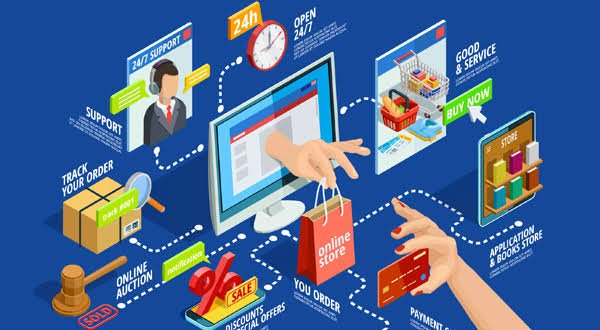

Technology is changing the way businesses work, communicate with customers, and compete in the market. From artificial intelligence and cloud computing to cybersecurity and automation, modern technology is becoming an important part of everyday business operations.
For businesses of all sizes, keeping up with technology does not mean adopting every new tool. The real goal is to understand which technologies can solve practical problems, improve efficiency, reduce costs, and create better experiences for customers and employees.
In 2026, artificial intelligence is moving beyond simple experimentation into more practical business applications. At the same time, companies are paying more attention to cybersecurity, cloud infrastructure, automation, and the way technology is integrated into their existing operations.
Why Technology Trends Matter for Businesses
Technology can influence almost every part of a modern business. Companies use digital tools to manage customers, communicate with employees, process payments, analyze information, market their products, and deliver services.
Businesses that understand technology trends can make better decisions about where to invest.
However, following a trend simply because it is popular is not always a good strategy. A technology investment should have a clear purpose and provide measurable value.
1. Artificial Intelligence for Business
Artificial intelligence is one of the most important technology developments affecting businesses today.
Companies are using AI for tasks such as customer support, content assistance, data analysis, research, software development, marketing, and workflow automation.
The focus is also shifting from experimenting with AI to finding practical ways to use it in real business processes. Research from Deloitte and other technology organizations shows that businesses are increasingly looking at AI in terms of productivity, operational impact, and measurable business value.
For small businesses, even simple AI applications can help employees save time on repetitive tasks.
2. AI Agents and Business Automation
Another important development is the growth of AI agents.
Unlike traditional software that waits for a user to perform every step, AI agents can be designed to complete multiple tasks within a workflow. Businesses are exploring agent-based systems for customer service, research, administration, sales support, and other operations.
However, businesses need appropriate security, monitoring, permissions, and human oversight when deploying systems that can take actions independently.
The move toward autonomous or agent-based technology is one of the major themes identified in current 2026 technology research.
3. Cloud Computing and Hybrid Infrastructure

Cloud computing continues to be an important part of modern business technology.
Cloud services allow businesses to use computing resources, applications, storage, and other digital services without relying entirely on physical infrastructure.
At the same time, businesses are becoming more strategic about where workloads should run. Some companies may use a combination of cloud, on-site infrastructure, and edge computing depending on performance, security, cost, and operational requirements.
This hybrid approach can be particularly useful for businesses with different types of applications and data.
4. Cybersecurity and Data Protection
As businesses become more digital, cybersecurity becomes increasingly important.
Companies store customer information, financial records, employee data, passwords, business documents, and other sensitive information in digital systems.
Modern cybersecurity strategies can include:
- Multi-factor authentication
- Strong access controls
- Data encryption
- Secure backups
- Endpoint protection
- Security monitoring
- Employee security training
- Regular software updates
AI is also changing cybersecurity. Businesses can use AI-powered tools to identify unusual activity and respond to certain threats more quickly, while attackers can also use AI to create new risks. This makes security an important part of any technology strategy.
5. Data Analytics and Real-Time Insights
Businesses generate large amounts of information every day. Data analytics helps companies turn that information into useful insights.
Businesses can analyze data to understand:
- Customer behavior
- Sales performance
- Website activity
- Marketing results
- Inventory levels
- Operational costs
- Employee productivity
Real-time data can be especially useful when businesses need to make decisions quickly.
Instead of relying entirely on assumptions, companies can use reliable data to identify trends and make more informed decisions.
6. Automation for Everyday Business Tasks
Business automation is another technology trend that continues to grow.
Automation can reduce repetitive manual work in areas such as:
- Email notifications
- Appointment reminders
- Lead management
- Reporting
- Invoicing
- Customer communication
- Data entry
- Workflow management
The purpose of automation should not be to remove people from every process. Instead, it can help employees spend less time on repetitive work and more time on tasks that require creativity, judgment, and communication.
7. AI-Powered Customer Experiences
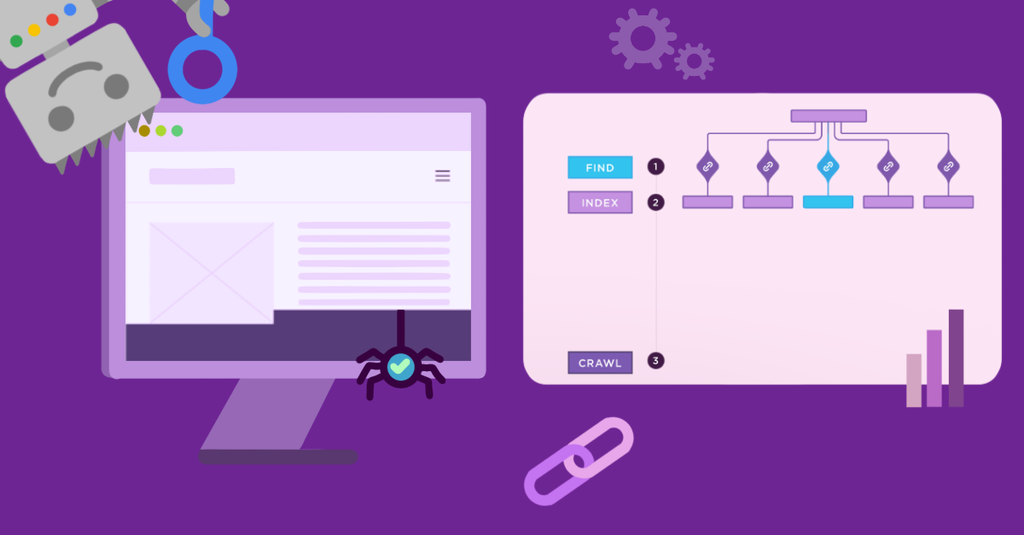
Customers increasingly expect fast and convenient digital experiences.
Businesses are using AI and other technologies to improve customer service, personalize communication, answer common questions, and provide support across different channels.
For example, an online business may use an AI-powered assistant to answer frequently asked questions while allowing customers to reach a human employee when they need more complex assistance.
The most effective customer technology should make interactions easier rather than making customers feel disconnected from the business.
8. Physical AI and Robotics
Artificial intelligence is also moving beyond software and into physical environments.
AI-powered robots are being developed and used in areas such as manufacturing, logistics, warehouses, and other industrial environments. These systems can combine sensors, software, machine learning, and robotics to perform tasks in changing environments.
Deloitte identifies the convergence of AI and robotics as one of the significant technology trends for 2026.
While advanced robotics may not be practical for every small business, the technology is worth watching as costs and capabilities continue to change.
9. AI-Native Software and Development
Software development is also being influenced by artificial intelligence.
AI coding assistants and AI-enabled development platforms can help developers write, test, explain, and improve software more efficiently.
Businesses may benefit from faster development and improved productivity, but AI-generated code still requires human review, testing, security checks, and proper maintenance.
The most useful approach is to treat AI as a development tool rather than assuming that every software task can be completed without skilled professionals.
10. Technology for Remote and Hybrid Work
Remote and hybrid work continue to influence business technology.
Cloud applications, video conferencing, project management platforms, online document collaboration, and secure remote access allow teams to work together across different locations.
For businesses with distributed employees, choosing reliable collaboration tools can improve communication and help teams stay organized.
Security is particularly important when employees access business systems from outside the traditional office environment.
How Small Businesses Can Adopt New Technology
Small businesses do not need to adopt every emerging technology.
A better approach is to identify specific problems first.
For example:
- If employees spend too much time answering repetitive questions, consider automation or an AI assistant.
- If files are difficult to access, consider a suitable cloud storage solution.
- If customer information is poorly organized, consider customer management software.
- If security is weak, improve authentication, backups, and access controls.
- If reporting takes too much time, explore data and reporting automation.
This problem-first approach can help businesses avoid unnecessary technology expenses.
Benefits of Keeping Up With Technology
The right technology can provide several advantages.
Better Productivity
Automation and digital tools can reduce repetitive work and help employees focus on more valuable tasks.
Improved Customer Service
Technology can make communication faster and provide customers with more convenient ways to interact with a business.
Greater Flexibility
Cloud-based systems and collaboration tools can make it easier for teams to work from different locations.
Stronger Security
Modern security tools can help businesses protect systems and information against changing digital threats.
Business Growth
Technology can help businesses handle more customers and operations without increasing every cost at the same rate.
What Businesses Should Consider Before Adopting New Technology
Before investing in a new technology solution, businesses should consider several questions:
- What business problem will this technology solve?
- How will it improve the current process?
- What is the total cost?
- Is the technology secure?
- Can it integrate with existing systems?
- Will employees need training?
- Can the solution scale as the business grows?
- How will success be measured?
These questions can help companies distinguish between useful technology and technology that is simply fashionable.
The Future of Business Technology
The pace of technological change is increasing, particularly in artificial intelligence. Businesses are moving from asking what new technology can do to asking how it can create measurable business value.
AI, cloud computing, automation, cybersecurity, data analytics, robotics, and intelligent software are likely to remain important areas of business technology.
The companies that benefit most may not necessarily be those that adopt the most technology. Instead, successful businesses will be those that choose useful tools, integrate them properly, protect their data, and continuously improve their processes.
Final Thoughts
The latest technology trends are creating new opportunities for modern businesses. Artificial intelligence can support productivity, cloud computing can provide flexibility, automation can reduce repetitive work, and cybersecurity can help protect valuable information.
However, technology should always serve a clear business purpose.
Whether you run a small business, startup, or established company, the best technology strategy is to focus on practical solutions that improve efficiency, customer experience, security, and long-term growth.
By staying informed about technology trends and adopting the right solutions at the right time, businesses can remain competitive and better prepared for the future.